


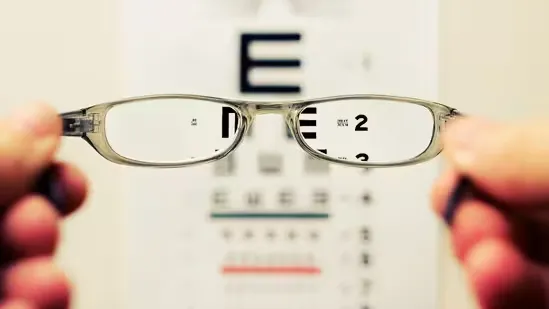
While parents often focus on their child’s nutrition, physical activity, and academic progress, eye health can sometimes be overlooked. Yet, recognizing the early signs of vision issues in children is crucial for timely diagnosis and treatment, preventing long-term complications. Many children may not realize they have difficulty seeing or lack the words to describe their vision problems, which is why observation by parents is key.
According to Dr. Nairyosan Irani, consultant ophthalmologist at Ruby Hall Clinic, some subtle behavioral and physical cues can point toward potential vision concerns. By spotting these early signs, parents can help ensure their child’s eye health is protected.
1. Persistent squinting or head tilting
When a child frequently squints or tilts their head to focus, it may indicate refractive errors such as nearsightedness, farsightedness, or astigmatism.
2. Sitting too close to screens or holding books near the face
If your child watches television from a very short distance or reads with the book held unusually close, it could be a sign of myopia (short-sightedness).
3. Frequent eye rubbing when not tired
Occasional rubbing is normal, but if your child rubs their eyes repeatedly—especially while concentrating—it might signal eye strain, dryness, or fatigue caused by uncorrected vision problems.
4. Covering one eye while reading or looking at objects
This habit could mean your child sees better with one eye or is trying to reduce double vision, which may be caused by lazy eye (amblyopia) or an imbalance in eye muscles.
5. Clumsiness or poor hand-eye coordination
Difficulty catching a ball, frequent tripping, or bumping into objects could indicate poor depth perception or unclear vision.
6. Recurring headaches or eye pain
Headaches that follow reading or extended screen use might be linked to eye strain or overworked eye muscles.
7. Struggles with reading or academic performance
Vision issues can sometimes be mistaken for learning difficulties. If a child avoids reading, loses interest in schoolwork, or falls behind academically, an eye examination may uncover the cause.
Early detection plays a significant role in protecting children’s vision. Scheduling regular eye check-ups and staying alert to these warning signs can help address potential problems before they escalate.
Note: This article is intended for informational purposes only and should not replace professional medical advice. Consult an eye care specialist if you suspect vision problems in your child.