


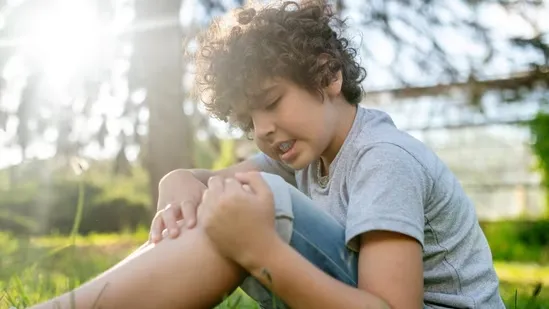
Joint pain is often seen as an issue faced by adults, but medical experts warn that children can also experience serious joint problems. What’s concerning is that many parents mistake early symptoms for harmless “growing pains,” leading to delayed diagnosis and potential long-term damage. According to Dr. Poonam Chhillar, Assistant Professor of Paediatrics at Shardacare Healthcity, being aware of early signs can make a significant difference in protecting a child’s bone and joint health.
Dr. Chhillar emphasizes that while mild pain is common among children aged 3 to 12, persistent or worsening symptoms should not be ignored. “Parents often dismiss discomfort as part of growth, but symptoms like swelling, stiffness, limping, or redness could indicate something more serious, such as Juvenile Idiopathic Arthritis (JIA),” she explains. This inflammatory condition can lead to permanent joint damage if left untreated.
The 7 signs that parents should never ignore:
- Persistent pain or swelling: Ongoing discomfort lasting more than a week, particularly in large joints like the knees, can signal inflammation.
- Morning stiffness: Difficulty moving after waking up or sitting for long periods could indicate early arthritis.
- Limping or favoring a limb: Refusing to bear weight or showing restricted joint movement are early red flags.
- Pain worsening at night: Bone pain severe enough to disturb sleep may require immediate evaluation.
- Fractures without injury: Sudden fractures without trauma could point to weak bones or metabolic disorders.
- Systemic symptoms: Joint pain accompanied by fever, rash, fatigue, or unexplained weight loss may suggest JIA or another inflammatory condition.
- Redness or warmth around joints: Tender or hot joints are often signs of inflammation or infection.
Dr. Chhillar advises parents to take action immediately if these symptoms persist. “Delaying medical care can lead to chronic pain, permanent joint damage, or even disability,” she warns.
Preventive care and lifestyle advice
To maintain strong bones and joints, Dr. Chhillar recommends a balanced diet rich in Calcium and Vitamin D, along with regular physical activity. “Encourage children to stay active through weight-bearing exercises, stretching, and playful movement,” she suggests. Managing a healthy weight is equally important, as excess body weight can increase strain on developing joints.
Parents play a vital role in monitoring early warning signs. With timely diagnosis and proper care, most childhood joint conditions can be effectively managed, allowing children to lead active, pain-free lives.