


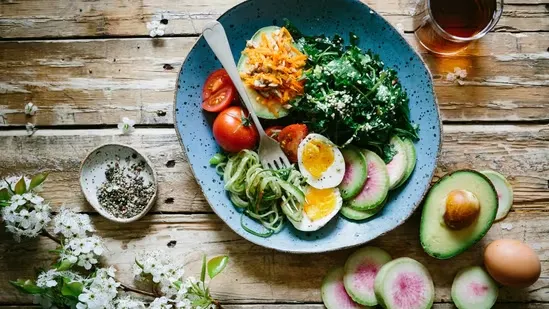
In the rush to meet daily protein goals, many people overlook a vital nutrient—fibre. According to gastroenterologist Dr Joseph Salhab, nearly 95% of people fail to consume enough fibre in their diet. Fibre is crucial for gut health, digestion, blood sugar balance, and heart wellness, yet most adults struggle to reach the recommended 30 to 35 grams per day.
Dr Salhab, in a recent Instagram post dated October 4, emphasized that one doesn’t have to sacrifice protein to improve fibre intake. Many nutrient-dense foods can deliver both protein and fibre, helping you maintain a balanced diet without compromise.
Here are his top expert-approved tips to increase fibre while keeping your protein intake strong:
1. Include Legumes and Pulses
Add lentils, chickpeas, kidney beans, black beans, edamame, and split peas to your meals. These ingredients provide plant-based protein along with a rich dose of fibre that supports digestive health.
2. Add Seeds and Nuts
Superfoods like chia seeds, flaxseeds, hemp seeds, sunflower seeds, pumpkin seeds, almonds, and walnuts can be sprinkled over oatmeal, salads, or smoothies. They offer both omega-3 fatty acids and fibre.
3. Choose Whole Grains
Swap refined carbs for quinoa, oats, barley, buckwheat, bulgur, and farro. These grains supply complex carbohydrates, plant protein, and dietary fibre, keeping you full for longer.
4. Opt for Soy and Plant-Based Proteins
Products like tofu, tempeh, and soy protein powder are excellent sources of both fibre and protein. They can be easily incorporated into stir-fries, curries, or smoothies.
5. Eat More Vegetables
Dr Salhab recommends increasing your intake of broccoli, Brussels sprouts, spinach, green peas, and artichokes. These vegetables are rich in micronutrients, antioxidants, and fibre that naturally enhance gut health.
Dr Salhab highlights that combining these foods helps achieve the ideal balance of protein and fibre without complicated meal plans or supplements. This simple approach not only supports digestive wellness but also contributes to weight management and heart health.
Note: This article is based on information shared on social media and is intended for educational purposes only. It should not be considered a substitute for medical advice. Always consult a healthcare professional for personalized guidance.