


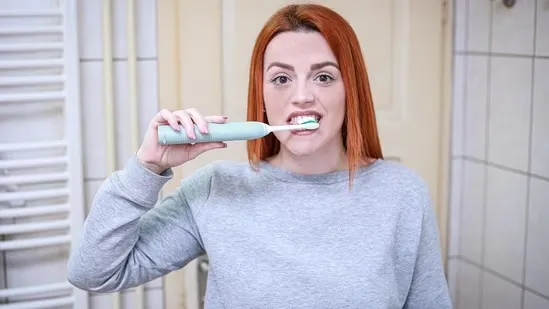
Brushing your teeth with too much force might seem like a way to keep them extra clean, but dentists warn it can lead to serious oral health problems. Dr. Kabir Bhogal, Founder and Principal Dentist at Revive Clinic, explains seven surprising ways aggressive brushing damages teeth, gums, and overall oral health, and what you can do to protect your smile.
- Enamel Erosion
Scrubbing your teeth hard can gradually wear down enamel, the protective outer layer of your teeth. Enamel cannot regenerate naturally, so over time this can leave teeth more vulnerable to cavities, sensitivity, and structural damage. Dental treatments like crowns may be required to restore enamel strength and protect teeth from further harm. - Gum Recession
Excessive brushing force can push gums away from the teeth, exposing sensitive roots. This gum recession increases the risk of tooth decay and gum disease. Severe cases may require gum grafting, while cosmetic procedures such as veneers can restore a uniform appearance. - Tooth Sensitivity
Hard brushing can expose dentin, the layer beneath enamel that contains nerves, resulting in sharp pain from hot or cold food and beverages. Using desensitizing toothpaste or professional sealants can help reduce sensitivity and protect vulnerable areas. - Yellowing Teeth
Overbrushing can thin enamel, allowing the naturally pale yellow dentin to show through. This makes teeth appear discolored despite regular cleaning. Composite bonding or professional whitening treatments may help restore a brighter smile. - Damage to Fillings and Crowns
Forceful brushing can weaken dental work, including fillings, crowns, and veneers, potentially causing chips, loosening, or premature detachment. Gentle brushing with a soft-bristled toothbrush and regular dental check-ups can extend the life of restorations. - Increased Cavity Risk
Brushing too aggressively can create micro-cracks in teeth and worsen plaque accumulation, making it easier for bacteria to cause decay. Flossing daily and professional dental cleaning every 3–4 months help remove bacteria from hard-to-reach areas. - Plaque and Tartar Buildup
Ironically, harsh brushing can leave areas along the gumline unclean due to irritation and inflammation. Plaque buildup leads to tartar, gum disease, and bad breath. Antimicrobial mouthwash and routine professional cleanings are essential for maintaining oral health.
Maintaining the correct brushing technique with moderate pressure, soft bristles, and proper oral hygiene practices ensures your teeth stay clean without causing damage. Always consult a professional dentist for personalized advice on caring for your teeth and gums.