


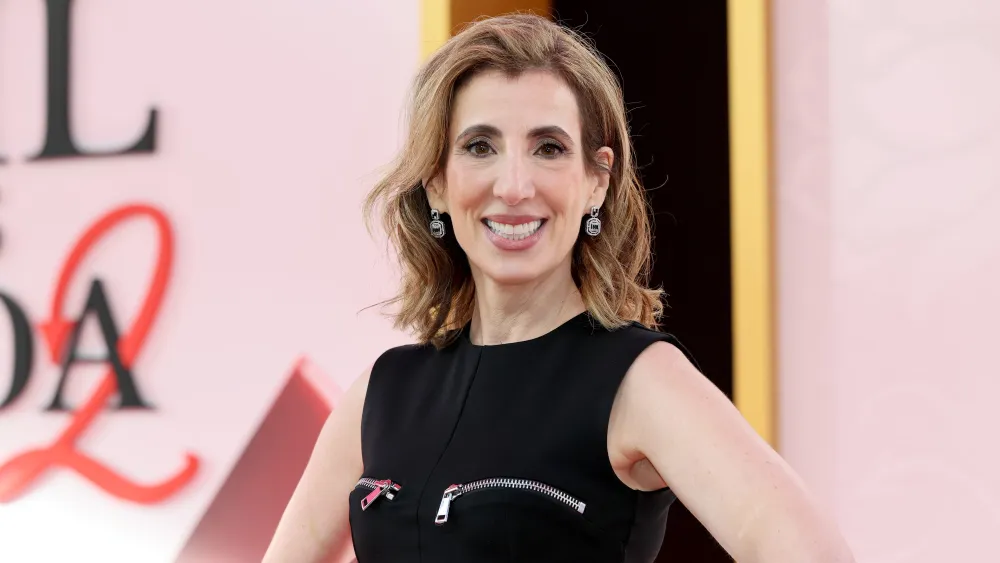
Screenwriter Aline Brosh McKenna has opened up about the creative journey behind The Devil Wears Prada 2, explaining how Meryl Streep played a central role in bringing the long-awaited sequel to life. Initially hesitant about revisiting the beloved story, McKenna admitted that the project gained real momentum only after Streep expressed interest in returning to her iconic role.
More than two decades after the original The Devil Wears Prada became a cultural phenomenon, the sequel reunites key cast members including Anne Hathaway, Emily Blunt, and Stanley Tucci. According to McKenna, once discussions began with Streep, the development process accelerated quickly, fueled by years of ideas about how the characters would evolve in a dramatically changed world.
Reflecting on the inspiration behind the sequel, McKenna highlighted how industries like fashion, publishing, and journalism have transformed over the past 20 years. These shifts shaped the narrative direction, allowing the story to explore how its characters adapt to modern workplace values and economic realities.
Addressing the growing trend of sequels and reboots, McKenna emphasized that this project was not driven by corporate pressure but by a genuine desire to revisit the story. She noted that the initial push came from producer Wendy Finerman, following Streep’s willingness to explore new ideas, rather than from a studio mandate.
Fan expectations played a significant role during development, especially with the original film’s enduring popularity. McKenna explained that while subtle callbacks are included, such as the iconic phrase “That’s all,” the sequel is designed to stand on its own. Viewers unfamiliar with the first film can still enjoy the story, while longtime fans may appreciate the layered references.
Fashion continues to be a defining element of the film, but McKenna clarified that the sequel does not serve as a promotional platform for brands. Instead, it maintains an outsider’s perspective, focusing on authenticity rather than endorsement, even while incorporating more real-world designers than the original.
The writer also addressed ongoing debates surrounding Adrian Grenier’s character from the first film. She defended his role as a moral counterpoint, describing him as a figure meant to highlight the protagonist’s internal conflict and ethical compromises, rather than a straightforward antagonist.
Beyond fashion and storytelling, McKenna discussed the broader cultural appeal of the franchise, noting how audiences are drawn to shared cinematic experiences. She pointed out that the original film captured a sense of collective viewing that is increasingly rare today, making the sequel’s release feel especially significant.
Ultimately, The Devil Wears Prada 2 aims to balance nostalgia with fresh storytelling, offering a modern perspective on ambition, identity, and the ever-evolving workplace — all while retaining the wit and sophistication that made the original unforgettable.