


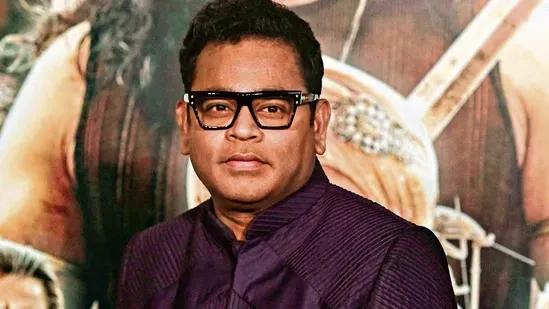
Oscar-winning composer AR Rahman, known for shaping generations of Indian film music, has spoken candidly about how changing power structures in Bollywood have influenced the kind of work coming his way over the past several years. In a recent interaction, the legendary musician reflected on feeling like an outsider in the Hindi film industry for much of his early career and hinted that recent shifts may have reduced opportunities for him.
Rahman shared that despite creating landmark soundtracks for films such as Roja, Bombay, and Dil Se, he did not truly feel accepted in Bollywood until Taal became a nationwide phenomenon. According to him, Taal crossed linguistic and cultural barriers and reached households across North India, making his music part of everyday life. He explained that the album blended Punjabi Hindi and regional influences in a way that resonated deeply with audiences, helping him feel more integrated into the industry.
The composer also spoke about the effort he put into understanding North Indian music culture. At the suggestion of filmmaker Subhash Ghai, Rahman began learning Hindi, which led him to study Urdu due to its deep connection with classic Hindi film music. He later explored Arabic for its phonetic similarities to Urdu and eventually Punjabi through collaborations with artists like Sukhwinder Singh. This linguistic and cultural journey, he said, helped him better connect with Bollywood’s musical roots.
Addressing whether he ever faced discrimination as a Tamil composer in Bollywood, Rahman noted that he did not experience overt prejudice in his early years. However, he pointed out that the past eight years have felt different. He described a noticeable power shift in the industry, where decision-making is increasingly driven by non-creative forces. He suggested that this shift may have indirectly impacted his work opportunities, sometimes hearing through informal channels that projects initially meant for him were later divided among multiple composers.
Despite these changes, Rahman expressed calm acceptance rather than frustration. He emphasised that he does not chase work and prefers to let sincerity and artistic integrity bring the right projects to him. He shared that fewer assignments have allowed him to spend more time with his family and focus on meaningful collaborations rather than volume-driven output.
Looking ahead, AR Rahman continues to remain creatively active. He has composed music for the upcoming silent film Gandhi Talks, featuring Vijay Sethupathi and directed by Kishor Pandurang Belekar, which is scheduled for release on January 30. He is also working on Nitesh Tiwari’s ambitious Ramayana, where he has teamed up with Grammy-winning composer Hans Zimmer. The epic film, starring Ranbir Kapoor, Sai Pallavi, Sunny Deol, and Yash, is set for a grand theatrical release during Diwali 2026.