


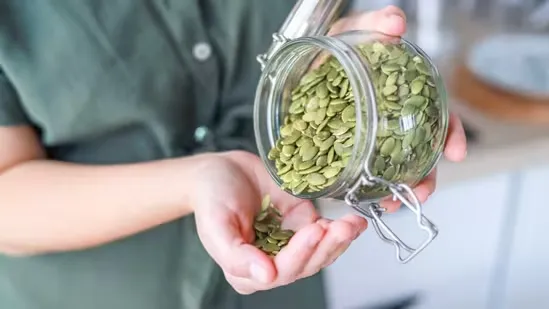
Pumpkin seeds are widely praised as a nutrient-rich superfood loaded with magnesium zinc antioxidants fiber and healthy fats. Many people add them to smoothies salads and snacks believing they are universally beneficial. However according to Ayurveda specialist Dimple Jangda these seeds may not suit everyone and excessive intake can trigger unwanted side effects such as digestive issues low blood pressure and unexpected weight gain. While pumpkin seeds offer valuable nutrients they must be eaten mindfully especially for people with weak digestion or specific health concerns.
Potential Digestive Discomfort
Jangda explains that pumpkin seeds carry a naturally warm property which supports Vata and Kapha body types by boosting digestive fire. But for individuals with Pitta imbalance acidity or sensitivity to heat these seeds may aggravate discomfort. Their firm outer texture also makes them harder to process leading to bloating heaviness and indigestion in some people. Those with a delicate gut should consume them sparingly or soak them beforehand to improve digestibility.
Not Suitable for People with Seed Allergies
While pumpkin seeds contain beneficial fiber minerals and healthy fats they can be problematic for individuals with allergies or those who experience recurrent bloating or gas from seed-based foods. Ayurveda suggests that people with chronic digestive weakness may find pumpkin seeds too heavy and should avoid them or choose alternative forms such as powdered seeds.
Avoid Giving Whole Seeds to Young Children
Due to choking risks hard texture and digestive strain pumpkin seeds are not recommended for young children. Their developing digestive systems may struggle to break down whole seeds. Seed butters or finely ground seeds are safer options when introducing them to a child’s diet.
May Lower Blood Pressure Excessively
Pumpkin seeds are naturally rich in magnesium which helps reduce blood pressure. Although this is beneficial for many people those who already have low blood pressure or take antihypertensive medication may experience an excessive drop. Research in Food Science & Nutrition shows pumpkin seeds have ACE inhibitor-like properties making them act similarly to blood pressure-lowering medication. Consulting a healthcare professional is essential before consuming them regularly if you fall into this category.
Possible Contribution to Weight Gain
Despite their small size pumpkin seeds are calorie-dense. A single cup of roasted seeds contains nearly 285 calories and mindless snacking can easily lead to excess calorie intake. Even though they are healthy overeating them may contribute to gradual weight gain. The American Heart Association suggests limiting intake to about one ounce or a quarter cup daily particularly if you are monitoring your weight.
Health Benefits When Consumed Correctly
Pumpkin seeds remain a powerful source of healthy fats fiber iron selenium and antioxidants. Studies suggest they support heart health cholesterol balance and digestive wellness. Ayurveda describes them as sweet and astringent helping tone tissues reduce water retention and support estrogen balance which is why they are frequently included in seed-cycling routines for women.
Best Way to Eat Pumpkin Seeds
Soaking pumpkin seeds for an hour softens their outer shell and enhances digestibility. Smart ways to include them are:
– Adding soaked seeds to fruit mixes in the morning
– Sprinkling them on smoothies salads or yogurt bowls
– Using them as toppings for soups or homemade granola
– Limiting intake to one tablespoon daily if digestion is weak or weight management is a priority
Note: This article offers general information and should not replace medical advice. Always consult a doctor before introducing significant dietary changes.