


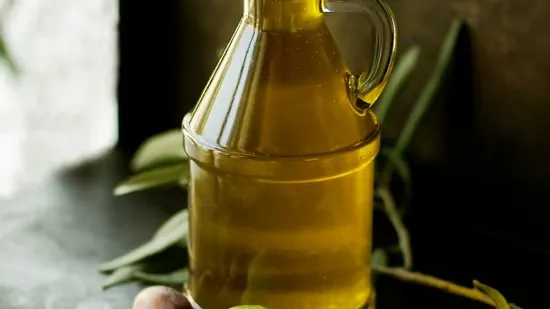
Avocado oil and olive oil are two of the most widely recommended healthy fats, but each one offers distinct advantages depending on your cooking style and nutritional goals. Olive oil is rich in monounsaturated fats—especially oleic acid—which is linked to reduced inflammation, improved heart function, and better digestive health. Its natural antioxidants, including phenolic compounds, carotenoids, and chlorophyll, support cell protection and help maintain balanced blood pressure. However, because olive oil has a moderate smoke point, it is best used for salad dressings, sautéing, or low to medium-heat cooking to prevent oxidation.
Avocado oil shares a similar monounsaturated fat profile but stands out for its much higher smoke point, making it ideal for high-heat methods such as roasting, stir-frying, and searing. It contains phytosterols—especially beta-sitosterol—which may support anti-inflammatory functions and promote heart and metabolic health. Antioxidants like carotenoids and chlorophylls also help stabilise the oil during cooking. Although nutrient-dense, avocado oil also carries around 120 calories per tablespoon, so mindful consumption is recommended.
Both oils lack significant omega-3 fatty acids, so they should be paired with foods like walnuts, fatty fish, or flaxseeds to maintain balance. When choosing between the two, your decision depends on how you cook and what flavours you prefer. Olive oil delivers a robust taste and is ideal for raw preparations, while avocado oil offers a neutral flavour suited for versatility and high-temperature meals. Incorporating either oil can contribute to better heart health, improved nutrient absorption, and a healthier overall diet when used in moderation.
While both oils support wellness with antioxidants and healthy fats, selecting the right one for your kitchen comes down to smoke point, nutritional needs, and the type of dishes you enjoy preparing. Always consider your dietary preferences and consult a medical professional if you have specific health conditions related to fat intake.