


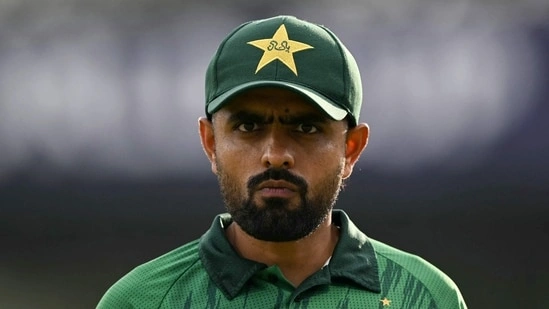
Former Pakistan captain Babar Azam has once again found himself at the centre of debate as questions continue to grow around his effectiveness in modern T20 cricket. With the shortest format evolving rapidly and strike rates becoming a defining factor, respected voices from the cricketing world believe Babar must confront uncomfortable truths to rediscover his best version in T20Is.
Former South Africa skipper Faf du Plessis has offered a candid assessment, suggesting that while Babar remains one of the most technically gifted batters in the game, the speed at which T20 cricket has progressed has left him slightly behind. Du Plessis believes open and honest conversations with Pakistan head coach Mike Hesson are crucial if Babar is to adapt and thrive in the format.
Babar’s struggles were evident during the T20 World Cup 2026, where his campaign failed to make the desired impact. His difficulties in accelerating the scoring rate led to criticism, and in one group-stage match he was even held back from batting at his usual position. Risky shot selections in key moments further added to the scrutiny as Pakistan looked for stability in pressure situations.
The concerns were not limited to international cricket. Babar entered the World Cup after a below-par Big Bash League season, where similar issues around intent and tempo surfaced. These performances intensified the discussion around whether he can consistently meet the demands of high-impact T20 batting.
Du Plessis explained that while players with lower strike rates once had a clear role, the modern game now demands aggressive intent almost from the first delivery. According to him, honest communication backed by data is the starting point for any meaningful transformation. Once the numbers are presented, accepting reality becomes unavoidable, paving the way for improvement.
Mike Hesson has also publicly acknowledged the issue, pointing out that Babar’s inability to fully capitalise during the powerplay influenced the decision to move him down the order. While some former players believe his best position remains at the top, the consensus is that adaptation is non-negotiable in today’s T20 landscape.
Du Plessis emphasised that growth rarely comes without discomfort. Changing long-established methods can feel risky, especially for a successful player, but persistence through failure is often what leads to evolution. For Babar Azam, embracing this challenging phase could be the key to staying relevant and dominant in the ever-changing world of T20 cricket.