


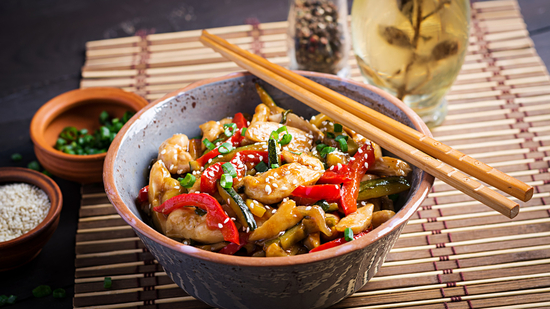
In a world where global flavours seamlessly cross borders, the fusion of Pan-Asian cuisine with Indian ingredients is making waves among food lovers in India. From classics like Teriyaki Chicken and Pad Thai to favourites like Kimchi Fried Rice and Bibimbap, these dishes are being reimagined with a uniquely Indian twist, making them feel both familiar and exciting for the local palate.
Highlighting this evolving food trend, Chef Avinash Kumar, Director of Culinary at Novotel Mumbai Juhu Beach, shared insights into how this delicious marriage of flavours works so well. According to Chef Avinash, the love for Pan-Asian food among Indian diners is rooted not just in its novelty but in its ability to harmonise with India’s bold and complex spice traditions. He explains that this fusion is not just about mixing for the sake of it but about creating a genuine exchange where classic Asian flavours meet India’s rich culinary heritage.
Chef Avinash emphasises that the key to successful Indo–Pan-Asian fusion is balance. Since Indian spices tend to deliver a robust, lingering heat, while Pan-Asian dishes often rely on sharper, quick bursts of flavour, the fusion must avoid clashing notes. Instead, thoughtful flavour synergy should guide every dish. For example, adding a hint of Indian chilli powder to kimchi fried rice can echo the kick of Korean Gochugaru while remaining pleasingly familiar to Indian taste buds.
The chef’s golden rule? Keep the five essential Asian flavour profiles – sweet, salty, sour, bitter, and umami – intact but infuse them with local influences. He shares that using local ingredients like kokum or raw mango instead of imported tamarind for Thai sourness, or adding fresh Indian greens to stir-fries, helps strike the perfect balance. This approach honours traditional techniques while giving the food an authentic yet regionally comforting feel.
Chef Avinash also offered practical tips for food enthusiasts wanting to try this style at home: understand core Asian flavours and find their Indian counterparts, use locally sourced produce, and always balance out bold mains with mild sides like jasmine rice or warm phulkas. Pair spicy dishes with fresh salads or yoghurt dips to keep the experience light and layered.
At its heart, Indo–Pan-Asian fusion cooking is about respecting each cuisine’s soul while letting them complement each other on the plate. Done right, it’s a culinary celebration that feels just right for India’s ever-adventurous food scene.