


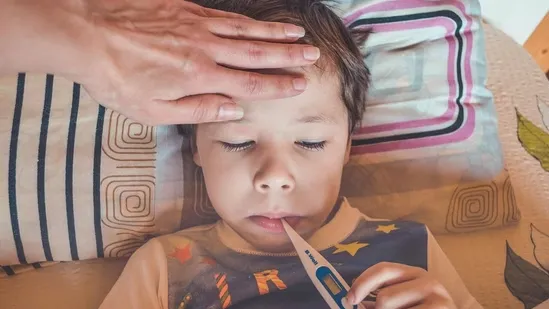
Childhood cancer may be rare, but when it strikes, the early symptoms often resemble everyday health issues, making them easy to overlook. According to Dr Ramana Gogi, principal consultant of medical oncology at CK Birla Hospital, Gurugram, parents sometimes mistake these warning signs for viral infections, growth spurts, or routine tiredness. This delay in recognition can affect early diagnosis and treatment. Experts stress that while not every fever or bruise is alarming, certain red flags should never be ignored.
Dr Gogi shared five key indicators that parents must pay attention to when monitoring their child’s health:
1. Persistent fever without explanation
Children commonly experience fever due to infections, but a fever that persists for weeks, does not respond to medication, or returns repeatedly can be a sign of leukemia or lymphoma. Unlike viral fevers, these are often low-grade yet continuous.
2. Unusual fatigue and weakness
Regular tiredness can be part of a child’s growth, but cancer-related fatigue is different—it does not improve with rest and may affect school, play, and daily activities. A child who suddenly becomes pale, drained, or uninterested in usual hobbies should be evaluated.
3. Frequent bruising or unexplained bleeding
Signs such as nosebleeds, bleeding gums, or bruises without injury could indicate blood-related cancers like leukemia. Parents might dismiss bruises as clumsiness, but if they are large, widespread, or located in unusual spots such as the back, they require medical attention.
4. Persistent pain or lumps
Bone and joint pains are common during growth phases, yet pain that is severe, wakes a child at night, or does not respond to basic care can be concerning. Similarly, swelling in the neck, underarms, or groin that does not go away may be a sign of cancer.
5. Sudden weight loss or appetite loss
Unlike gradual changes caused by diet or activity, cancer-related weight loss occurs quickly and is often accompanied by loss of appetite, nausea, or abdominal swelling. Such changes should not be ignored.
Dr Gogi emphasized: “Most childhood cancers can be treated successfully if identified early. Parents should remain alert but balanced—persistent patterns and unusual symptoms are what matter most. Recognizing these signs and seeking timely medical advice can make a life-saving difference.”
Disclaimer: This article is for informational purposes only and should not replace professional medical consultation. Always seek medical advice from a qualified doctor regarding any health concerns.