


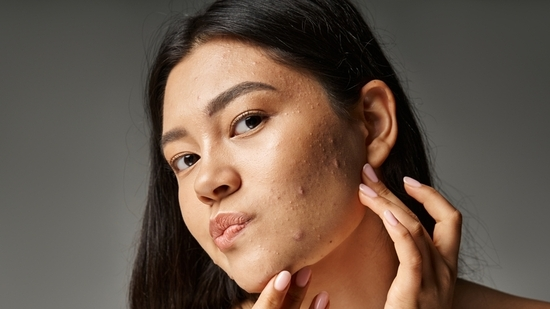
If you’re noticing stubborn acne flare-ups along your jawline or chin, it could be your body’s way of signaling an internal hormonal imbalance rather than just a reaction to skincare products. According to dermatology expert Dr. Khushboo Jha, MD, founder of One Skin Clinic in Faridabad, these breakouts—often overlooked as minor skin issues—are frequently caused by hormonal fluctuations, particularly in women between their 20s and 40s.
Dr. Jha explains that hormonal acne is triggered by elevated levels of androgenic hormones like testosterone. This hormone imbalance increases the skin’s oil (sebum) production, leading to clogged pores and breakouts, especially on the lower face areas including the chin, jawline, and lower cheeks.
These types of acne are often misinterpreted as results of improper skincare or dietary habits. However, Dr. Jha emphasizes that they often point toward deeper issues like PCOS (Polycystic Ovary Syndrome), chronic stress, or hormonal misalignment involving estrogen and progesterone. In such cases, a dermatologist’s guidance becomes essential to pinpoint the root cause and implement effective treatment.
Dr. Jha shares a comprehensive five-step approach to managing hormonal acne holistically:
- Adopt a Balanced Diet:
Refined sugars and high-glycemic foods such as white bread and sweetened dairy products can spike insulin levels, worsening acne. Switching to whole foods like leafy greens, berries, oats, legumes, flaxseeds, and salmon helps reduce inflammation and balance hormones naturally. - Choose the Right Skincare Routine:
Use mild, non-comedogenic cleansers with salicylic acid or benzoyl peroxide. Topical treatments containing niacinamide, retinoids, or azelaic acid reduce redness and clear blocked pores. Always wear a non-greasy SPF 30 sunscreen, and avoid over-washing your face as it can cause irritation and worsen symptoms. - Integrate Natural Supplements:
Herbal teas like spearmint have anti-androgenic effects and may reduce breakouts. Nutritional supplements such as zinc, omega-3 fatty acids, inositol, and evening primrose oil can also aid hormonal balance. - Consult a Dermatologist for Advanced Therapies:
For persistent acne, doctors may prescribe oral contraceptives to regulate hormonal levels or medications like spironolactone, a diuretic with anti-androgen benefits. In severe cases, isotretinoin may be used, but under strict medical supervision due to its potency. - Practice Consistency and Patience:
Hormonal acne doesn’t vanish overnight. Results from treatment typically appear over 6 to 12 weeks. Sticking to a consistent routine and avoiding abrupt changes without professional advice is critical to success.
In closing, Dr. Jha reminds patients to treat hormonal acne as a sign of internal imbalance rather than just a cosmetic nuisance. With a combination of lifestyle changes, medical intervention, and patience, clearer skin is achievable.
Note: Always seek the advice of your healthcare provider for any medical conditions or treatment decisions.