


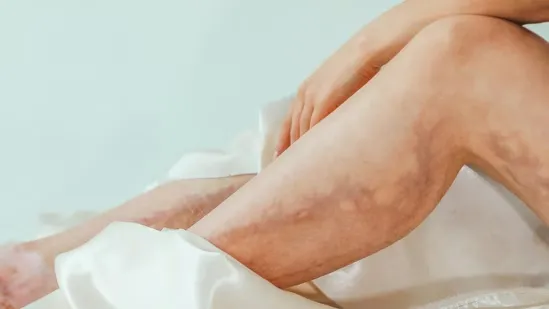
If your feet often feel unusually cold or appear swollen, it could be more than just a circulation issue – it might be an early indicator of poor cardiovascular health. According to Dr. Kunal Sood, anesthesiologist and pain medicine specialist, subtle changes in your legs and feet can reveal vital clues about your heart and vascular system.
In a recent video shared on Instagram, Dr. Sood highlighted that your lower limbs can often show the first signs of trouble long before major symptoms of heart disease or vascular disorders appear. He explains, “Changes in your legs – whether it’s coldness, swelling, or skin discoloration – are often your body’s way of warning you that your cardiovascular system may not be functioning properly.”
1. Bulging or Twisted Veins
If you notice bulging or blue twisted veins on your legs or feet, it could be a sign of varicose veins. Dr. Sood explains that these appear when vein valves weaken, preventing proper blood flow. The condition, known as chronic venous insufficiency, causes veins to become dilated and visible through the skin.
2. Swelling in Both Ankles
Persistent swelling in both ankles may indicate heart or kidney issues, or even poor circulation due to venous disease. Dr. Sood notes that bilateral swelling often worsens after standing for long periods and should not be ignored, as it may signal fluid retention linked to cardiovascular dysfunction.
3. Cold and Pale Feet with Pain While Walking
Experiencing cold, pale feet and cramping pain during walking can suggest Peripheral Artery Disease (PAD). This condition occurs when arteries narrow, reducing blood flow to the limbs. The resulting lack of oxygen leads to pain, numbness, and weakness, especially when walking – a symptom known as intermittent claudication.
4. Redness or Swelling in One Calf
A red, hot, or swollen calf may indicate a Deep Vein Thrombosis (DVT) – a blood clot in the leg. Dr. Sood explains that symptoms often include one-sided warmth, tenderness, and pain due to blocked blood flow. DVT can be dangerous if the clot travels to the lungs, so immediate medical attention is crucial.
5. Sores on Toes or Ankles That Don’t Heal
If you have ulcers or sores on your toes or ankles that refuse to heal, this could signal advanced PAD or severely reduced circulation. “Poor oxygen supply prevents proper tissue healing, which increases the risk of infection and gangrene if left untreated,” warns Dr. Sood.
While these symptoms may seem minor, they can be early warnings of serious cardiovascular or vascular conditions. It’s important to consult a doctor for proper diagnosis and treatment instead of self-diagnosing or ignoring the signs.
Disclaimer: This article is intended for informational purposes only and should not replace professional medical advice, diagnosis, or treatment.