


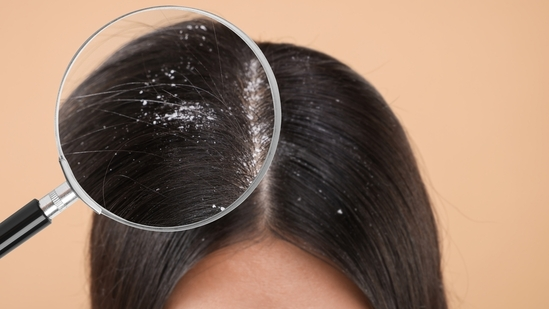
Not every white flake on your shoulder is dandruff. While dandruff is a common scalp concern, it can often be confused with a more serious condition — a fungal infection. Both issues may lead to itching and flaking, but their causes, symptoms, and treatments differ significantly. Identifying the right issue is crucial to receive effective care and prevent further scalp damage.
Dr. BL Jangid, a renowned dermatologist and hair transplant specialist at SkinQure Clinic in New Delhi, explains that while both dandruff and scalp fungal infections look similar, they are not the same. He points out that dandruff appears like a soft dusting on the scalp and shoulders, while fungal infections often show symptoms beyond just flakes — including red patches, swelling, pus, and hair loss.
Understanding Dandruff:
Dandruff is typically the result of an imbalance in scalp conditions. It can be triggered by excess oil, dryness, product sensitivity, or an overreaction to Malassezia, a yeast that naturally lives on the scalp. In some individuals, this yeast can cause mild inflammation, leading to flaking. The flakes are usually white or light yellow, dry, and loosely attached to the scalp, shedding easily.
What is a Scalp Fungal Infection?
Fungal scalp infections such as tinea capitis (also known as scalp ringworm) are caused by dermatophytes — fungi that infect the skin, hair, and follicles. These infections can be contagious and often present with symptoms like thick, greasy scales, intense itching, swelling, pus-filled bumps, and even patchy hair loss. Unlike dandruff, fungal infections frequently affect children but can also appear in adults.
How to Tell the Difference:
- Flake Texture: Dandruff flakes are dry and powdery, while fungal flakes are greasy and stick to the scalp.
- Spread Area: Dandruff remains confined to the scalp, but fungal infections can spread to the temples, neck, and ears.
- Hair Loss: Hair thinning or bald patches often indicate a fungal infection rather than simple dandruff.
- Scalp Condition: Redness, swelling, tenderness, or heat around the affected area often points to a fungal cause.
When Should You See a Dermatologist?
If you experience persistent itching, burning sensations, unexplained hair loss, or patchy flaking for more than a week, it’s essential to consult a doctor. Dandruff can often be treated with OTC shampoos, but fungal infections typically require prescription antifungal medications.
Understanding these signs early on can help you take the right steps towards healing your scalp and restoring your hair health.