


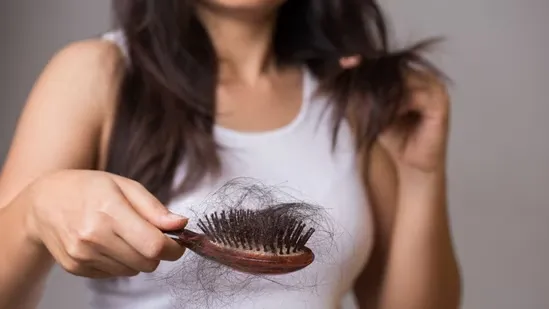
Hair fall can feel overwhelming, especially when topical treatments, serums, and shampoos fail to make a visible difference. According to experts, one of the biggest contributors to patterned hair thinning is DHT, or dihydrotestosterone — a hormone created when the enzyme 5-alpha reductase converts testosterone into DHT. When this hormone binds to hair follicle receptors, it gradually shrinks them, leading to weaker strands and eventually stalled growth.
Dermatology specialist Dr Vidushi Jain explains that certain nutrient-rich foods can help naturally limit the impact of DHT by supporting hormonal balance and reducing the enzyme activity that triggers hair miniaturisation. Incorporating DHT-friendly foods such as pumpkin seeds tomatoes green tea walnuts spinach and fatty fish can complement medical treatments and support stronger fuller hair over time.
As follicles become inflamed or weakened by hormonal changes, the right foods can offer antioxidants essential vitamins and anti-inflammatory compounds that promote scalp health. While diet isn’t a substitute for medical intervention, consistent intake of these foods can support healthier hair cycles and improve overall scalp resilience.
8 Natural Foods That May Help Reduce DHT Levels
1. Pumpkin Seeds
Rich in zinc and phytosterols like beta-sitosterol, pumpkin seeds may help reduce 5-alpha reductase activity and support balanced hormone function. Add them to salads or use pumpkin seed oil as a dressing.
2. Tomatoes
Loaded with lycopene, tomatoes support antioxidant protection and may help inhibit DHT formation. Cooked tomatoes or tomato-based meals improve nutrient absorption.
3. Green Tea
EGCG, the powerful compound in green tea, supports scalp circulation and may reduce 5-alpha reductase activity. Drinking two to three cups daily is beneficial.
4. Carrots
High in beta-carotene, carrots nourish the scalp, support oil balance, and stabilise hair growth cycles influenced by DHT. Enjoy them raw baked or blended into juices.
5. Walnuts and Almonds
L-lysine biotin and healthy fats in nuts help with protein formation and may reduce inflammation around follicles. One handful per day is recommended.
6. Spinach and Kale
Iron strengthens roots while quercetin offers anti-inflammatory support which may help with androgen-related hair changes. Add them to salads smoothies or steam lightly.
7. Salmon Mackerel and Fatty Fish
Omega-3 fatty acids reduce scalp inflammation and support healthier hair growth patterns. Aim for two to three servings weekly.
8. Berries
Antioxidant-rich berries like blueberries and raspberries protect follicles from oxidative stress and support collagen needed for strong hair. Add them to breakfast bowls or snacks.
When Food Alone Isn’t Enough
A nutrient-rich diet helps improve scalp and follicle strength, but sudden or rapid hair loss requires medical assessment. Experts advise checking for thyroid imbalances nutrient deficiencies and autoimmune triggers. Improvements from DHT-balancing foods usually appear over three to six months with consistent dietary habits.