


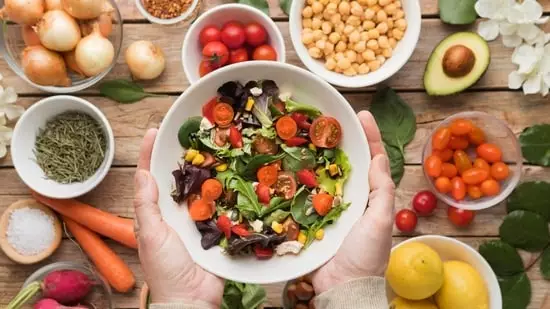
Eating healthy for your heart doesn’t have to mean dull oats and tasteless salads — a well-known cardiologist, Dr Jivitesh Satija, has shared a practical and delicious desi diet plan that can help Indians lower their risk of heart attacks at an early age. In a recent post, Dr Jivitesh explained how common Indian foods and simple swaps can keep your heart healthier for longer without giving up taste.
The big idea behind his advice is to cut refined sugars processed foods and excessive fried snacks while boosting your intake of fibre proteins and healthy fats. He warns that Indians often get heart disease a decade earlier than Western populations mainly due to excess sugar poor-quality fats and lack of key nutrients like Omega-3 and Vitamin B12.
To fix this Dr Jivitesh suggests a five-step plan: ditch refined carbs eat more gut-friendly fibre-rich foods choose good fats instead of going zero-fat add powerful local herbs nuts seeds and seasonal fruits and plug hidden nutrient gaps with mindful eating or supplements when needed.
Switching to whole grains like bajra jowar brown rice oats and quinoa instead of white rice and maida can improve cholesterol and blood pressure. Adding a good protein source like pulses paneer eggs fish or chicken at every meal helps maintain muscle and metabolism. Pairing dal and rice or curd creates a complete protein.
Nuts and seeds act like daily heart insurance. A handful of almonds walnuts and some flaxseed or chia sprinkled on meals can help control bad cholesterol and reduce inflammation. Smart fats matter too — rotating oils like mustard olive or avocado oil and using ghee or coconut oil in moderation can protect the heart. Reheated oils and vanaspati should be avoided.
Traditional ingredients like raw garlic amla turmeric curry leaves ginger and methi seeds are natural heart protectors. Dr Jivitesh also recommends loading up half your plate with vegetables daily eating one to two fruits and adding probiotic-rich foods like curd or chaas to boost gut health. He advises keeping sugar-laden snacks fried papads and processed junk for rare cheat days.
To tackle common nutrient gaps he highlights the need for Vitamin B12 and Omega-3 from sources like dairy chia flax walnuts or fish. Also don’t skip Vitamin D and iron: sunlight fatty fish eggs spinach dates and jaggery help. Combining iron-rich foods with vitamin C from amla or lemon improves absorption.
Dr Jivitesh concludes that balance is the key — with the right tweaks traditional Indian food can be both delicious and heart-healthy without ever being boring.