


A growing number of people are switching to “healthier” sugar substitutes, but a recent breakdown by Shweta J Panchal challenges many common assumptions. In a social media post, the dietitian evaluated widely used sweeteners on a scale of 1 to 10, considering factors like glycemic impact, nutritional benefits, and her clinical observations.
Her key message is that labels such as “natural” or “sugar-free” can be misleading, and not all alternatives are as beneficial as they seem. While some sweeteners offer advantages, others behave almost identically to regular sugar inside the body.
According to her ranking, monk fruit stands out as the most suitable option, scoring between 8 and 9 out of 10. It is especially recommended for individuals managing diabetes or insulin resistance, as it has minimal impact on blood sugar levels.
Dates also received a high rating of 7 to 8, largely due to their fiber content and relatively balanced glycemic response. Honey followed with a score of 7, appreciated for its antimicrobial properties and potential gut health benefits when consumed in moderation.
On the other hand, jaggery was rated at 5 out of 10. While it does contain some minerals, it is still processed by the body similarly to sugar. Stevia also landed in the middle range with a score of 5, making it a moderate plant-based option.
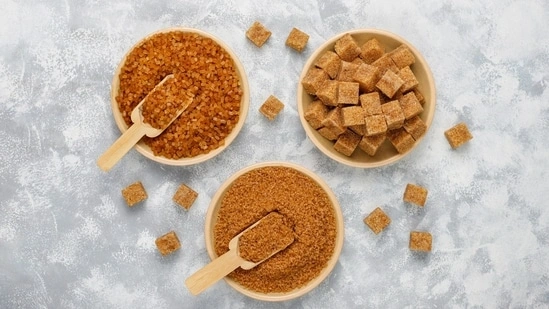
Traditional sweeteners like white sugar, brown sugar, and coconut sugar were all given low scores of 3 out of 10. The dietitian emphasized that despite marketing claims, these options do not significantly differ in how they affect blood sugar levels.
Artificial sweeteners received the lowest possible rating, with a strong recommendation to avoid them altogether. Substances like Aspartame and Sucralose were specifically highlighted as options that may carry potential health concerns despite being widely used in “sugar-free” products.
One of the most important insights from this ranking is the myth surrounding “healthier sugars.” Brown sugar and coconut sugar, often perceived as better choices, were found to offer little to no advantage over regular sugar. Even jaggery, commonly used in traditional diets, should be consumed cautiously.
The dietitian encourages people to take a closer look at ingredient labels, especially in packaged foods marketed as healthy or sugar-free. Choosing sweeteners like monk fruit, dates, or honey in controlled amounts may provide better nutritional value compared to heavily processed or artificial alternatives.
However, it is important to note that these insights are based on social media content and personal professional opinions, and they have not been independently verified. Individuals should consult qualified healthcare professionals before making significant dietary changes.