


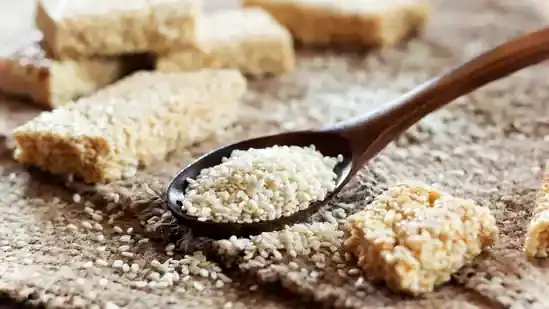
Sesame seeds may be tiny, but their impact on reproductive wellness is gaining attention through both Ayurvedic wisdom and modern research. In India, male infertility affects a significant number of couples, with studies suggesting that nearly 8 percent of men seek medical help for fertility-related concerns. Among natural dietary solutions, sesame seeds are increasingly highlighted by Ayurvedic experts as a supportive food for improving sperm quality and overall reproductive health.
In Ayurveda, sesame seeds are regarded as a potent therapeutic ingredient. Classical texts authored by Acharya Charaka and Acharya Sushruta describe sesame as balya, meaning strength-enhancing, vrishya, meaning supportive of sexual vitality, and rasya, meaning nourishing to body tissues. According to Ayurvedic practitioners, these qualities make sesame seeds particularly beneficial for strengthening Shukra Dhatu, the bodily tissue responsible for reproduction.
Scientific evidence also supports these traditional claims. A study published in the Journal of Research in Medical Sciences in 2013 examined infertile men aged between 27 and 40 who consumed 0.5 grams of sesame seed powder daily for three months. The findings showed noticeable improvement in sperm count and motility. In some cases, natural conception occurred without the use of advanced fertility treatments, suggesting the positive role sesame seeds can play in male fertility support.
Nutritionally, sesame seeds are rich in zinc iron calcium magnesium and antioxidants. These nutrients are essential for hormone regulation sperm production and protection against oxidative stress, which is known to damage sperm cells. Improved blood circulation supported by sesame seeds also contributes to better reproductive function in both men and women.
Ayurvedic experts recommend several ways to include sesame seeds in daily routines. A traditional practice involves consuming sesame seeds mixed with jaggery in the morning on an empty stomach to support energy and reproductive strength. During colder months, sesame-based foods are advised as they help maintain warmth and metabolic balance. Using sesame oil for cooking is another effective method, as it enhances digestion and nourishes reproductive tissues. Women are often advised to consume sesame seeds after menstruation to help balance hormones and support uterine health.
Beyond male fertility, sesame seeds may also support ovulation in women. Hormonal imbalances stress and poor dietary habits can interfere with regular ovulation. Sesame seeds improve circulation and reduce oxidative stress, both of which are important for healthy ovulation cycles and conception. Their antioxidant properties benefit reproductive health across genders.
While sesame seeds are generally safe for regular consumption, moderation is essential. Excess intake may lead to digestive discomfort, especially for individuals with a dominant Vata constitution. Ayurvedic practitioners recommend personalized guidance for those with existing health conditions. Sesame seeds should be viewed as a supportive dietary addition rather than a standalone solution. A holistic approach including balanced nutrition physical activity stress management and medical consultation remains essential for addressing fertility concerns.