


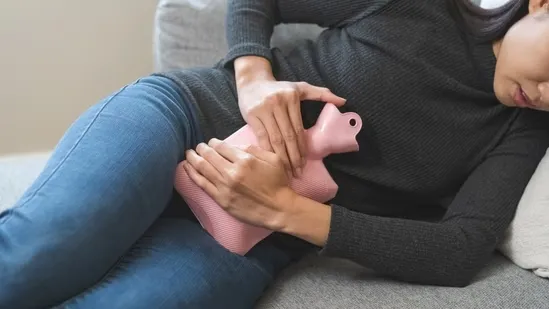
Many women have experienced the curious moment when periods seem to arrive at the same time among friends roommates sisters or colleagues. This phenomenon often feels uncanny leading many to believe there is a hidden biological connection behind menstrual cycle syncing. However medical experts say the reality is far simpler and far less mysterious than popular belief suggests.
According to gynaecologists there is no strong scientific evidence proving that women’s bodies biologically synchronise menstrual cycles simply because they spend time together. While cycles may occasionally overlap this is largely coincidental rather than the result of hormonal communication or physical proximity. Menstrual cycles naturally vary from person to person and even from month to month which makes occasional alignment statistically likely over time.
What often creates the illusion of syncing is shared lifestyle factors. Women living or working together may experience similar levels of stress sleep patterns diet physical activity and emotional influences. These factors can affect hormones and in turn influence menstrual timing. When routines align cycles may temporarily coincide and when environments change such as after travel relocation or lifestyle shifts the perceived syncing disappears.
Doctors emphasise that focusing too much on menstrual syncing can distract from what truly matters which is individual menstrual health. A healthy cycle is one that is consistent for you manageable and does not interfere with daily life. Comparing cycles with others is unnecessary and can create avoidable concern.
Medical professionals advise paying attention to warning signs such as severe cramps unusually heavy bleeding missed periods or sudden drastic changes in cycle length. These symptoms deserve medical attention regardless of whether periods align with others or not.
The key takeaway is simple. Menstrual cycles are personal. While they may occasionally overlap there is no biological requirement or health implication behind syncing. Understanding and caring for your own cycle is far more important than matching dates with someone else.