


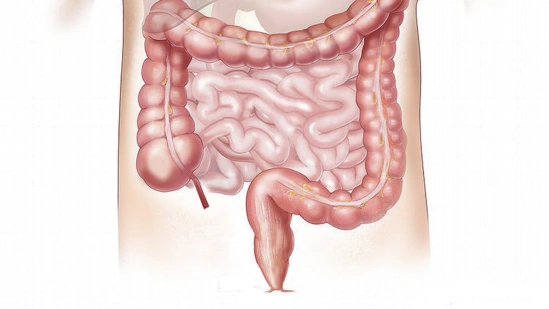
Colon cancer remains one of the most common cancers globally, with the World Health Organization noting its significant share among cancer cases worldwide. While much awareness focuses on left-sided colon cancer, experts warn that right-sided colon cancer can be more dangerous due to its subtle and often unnoticed symptoms.
According to oncology specialist Dr Anil Thakwani, right-sided colon cancer develops in the ascending part of the large intestine. Unlike left-sided cases, which often show clear bowel-related warning signs early, this type tends to progress quietly.
One of the main reasons it is considered a “silent threat” is due to the anatomy of the colon. The right side has a wider space, allowing tumours to grow for a longer time without causing blockage or noticeable pain. As a result, diagnosis often happens at a later stage when the disease has already advanced.
5 Warning Signs You Should Not Ignore
Unexplained internal bleeding
Slow bleeding within the intestine may not be visible but can lead to anaemia. Symptoms like weakness and low energy levels should not be overlooked.
Ongoing bloating or abdominal discomfort
Persistent bloating or a feeling of fullness over several weeks could indicate digestive disruption caused by tumour growth.
Sudden and unintentional weight loss
Losing several kilograms without changes in diet or activity may signal underlying health issues including cancer.
Changes in bowel patterns
Irregular stools mild diarrhoea or a constant feeling of incomplete bowel movement lasting more than a few weeks should be evaluated.
Continuous fatigue
Long-lasting tiredness may be linked to internal blood loss and reduced haemoglobin levels.
Health experts stress that early detection plays a crucial role in successful treatment outcomes. Routine screening such as colonoscopy is strongly recommended for individuals above the age of 45 or those with a family history of colorectal cancer.
Recognising these subtle symptoms and seeking timely medical advice can make a significant difference in identifying the disease at an earlier and more treatable stage.