


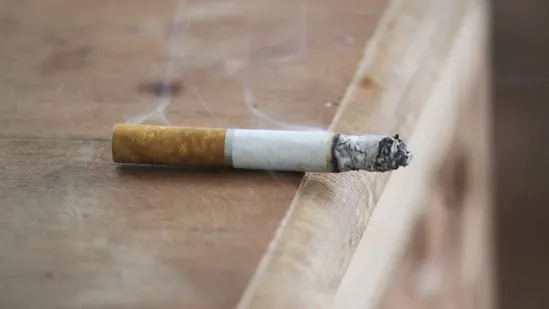
Smoking is widely known to harm the body, especially the lungs, yet many people are unaware of how fast the healing begins once they stop. According to medical experts, every cigarette affects lung strength and circulation, but the moment a person quits, the recovery process starts almost immediately.
Health professionals explain that smoking introduces thousands of harmful chemicals into the lungs. These toxins weaken the cilia, the tiny hair-like structures that keep airways clean. Over time, this leads to breathing issues such as chronic cough, mucus buildup, bronchitis and long-term conditions including emphysema and COPD. Smokers also face a significantly increased risk of lung infections, heart disease and lung cancer.
Doctors point out that quitting smoking gives the body a powerful opportunity to repair the damage. In just two to twelve weeks after quitting, lung function and blood circulation begin to improve. Within one year, the risk of heart disease is about half that of someone who continues to smoke. After a decade of being smoke-free, the chances of developing lung cancer also drop dramatically.
Experts encourage smokers to seek medical guidance, choose healthier routines and incorporate activities such as regular cardio exercise and daily breathing techniques. They also highlight the connection between gut health and lung wellness, suggesting that improving digestion and reducing inflammation can support overall respiratory recovery.
While quitting may be challenging, specialists emphasize that breaking free from nicotine addiction remains one of the most impactful decisions for long-term health. With the right support and determination, the body can regain strength, restore lung capacity and significantly improve quality of life.