


Fatty liver disease is becoming increasingly common in India and can progress into serious long-term health issues if left unmanaged. According to public health data a significant portion of the population is affected by non alcoholic fatty liver disease which is closely linked to insulin resistance obesity and metabolic disorders. Addressing diet and lifestyle early is considered one of the most effective ways to slow down or reverse the condition.
In a recent social media post Dr Pramod Tripathi a general physician from Pune with over 27 years of clinical experience shared his approach to supporting fatty liver reversal using specific vegetables and supplements in controlled quantities. He emphasized that these foods should be used strategically alongside lifestyle changes rather than as a standalone cure.
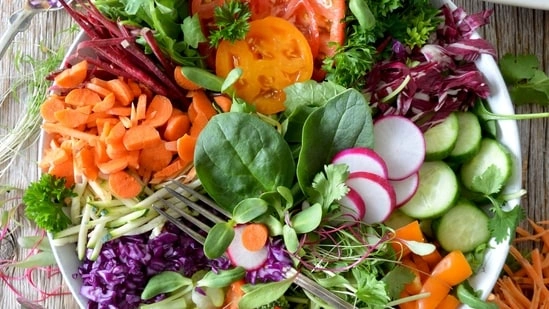
For vegetables Dr Tripathi places bottle gourd at the top of the list recommending around 150 to 200 grams per day for most days of the week. He explained that bottle gourd helps regulate insulin levels which plays a key role in reducing fat buildup inside the liver. Cruciferous vegetables such as broccoli cauliflower cabbage and mustard greens were also recommended in well cooked form around 100 to 150 grams several times a week as they support liver detoxification enzymes and help reduce inflammation. Beetroot was advised in much smaller portions of about 50 to 75 grams only a few times a week as it is considered potent and should be treated more like medicine than a regular vegetable.
Along with vegetables the physician highlighted three supplements that may help accelerate fatty liver improvement when taken in the correct order and dosage. Choline was described as essential due to its low intake in Indian diets and its role in moving harmful fats out of the liver. Omega 3 supplements containing both EPA and DHA were recommended to prevent further fat accumulation. Milk thistle a herbal extract was suggested to support liver enzymes reduce inflammation and lower toxicity.
Dr Tripathi also advised spacing supplements across meals and following the regimen for two to three months while monitoring liver function tests before and after. He stressed that supplements alone cannot replace healthy eating regular exercise quality sleep and overall lifestyle discipline. Readers are encouraged to consult a qualified medical professional before starting any dietary or supplement plan especially for liver related conditions.