


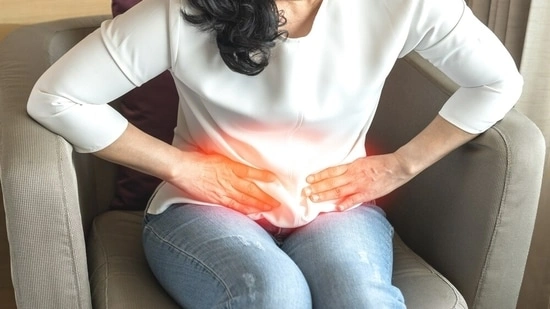
Health experts are raising awareness about Endometriosis, warning that it is not just a reproductive disorder but can affect multiple organs throughout the body. Specialists stress that persistent and intense menstrual pain should not be dismissed as normal, as it could indicate a deeper medical issue.
According to Dr Madhuri Vidyashankar P, a consultant gynaecologist and laparoscopic surgeon, endometriosis should be considered a “full body disease” due to its potential to spread beyond the pelvic region. While the condition is commonly associated with the uterus ovaries and fallopian tubes, it can also appear in unexpected areas of the body.
Medical findings show that endometrial like tissue can develop in organs such as the lungs brain diaphragm and even the skin. When the condition spreads outside the pelvic region it is referred to as extra pelvic endometriosis which can lead to a wide variety of symptoms that are often difficult to identify.
Patients may experience digestive issues such as bloating cramps or diarrhoea when the condition affects the bowel. In other cases it can appear in surgical scars or the abdominal wall. When the diaphragm is involved it may lead to chest discomfort or shoulder pain while nerve involvement can result in symptoms similar to sciatica.
Because of its ability to mimic other conditions endometriosis is frequently misdiagnosed or detected late. The symptoms can vary widely depending on which part of the body is affected making diagnosis complex and sometimes delayed.
Doctors explain that proper diagnosis usually involves imaging tests such as ultrasound and MRI scans. While hormonal treatments may help manage symptoms temporarily surgical removal of the affected tissue is often considered the most effective long term solution.
Experts emphasise that increasing awareness is crucial especially during Endometriosis Awareness Month. Recognising unusual or severe symptoms early can help patients seek timely medical care and reduce the risk of complications.
Women experiencing ongoing or severe menstrual pain are encouraged to consult a healthcare professional rather than relying solely on short term remedies such as painkillers or home treatments.