


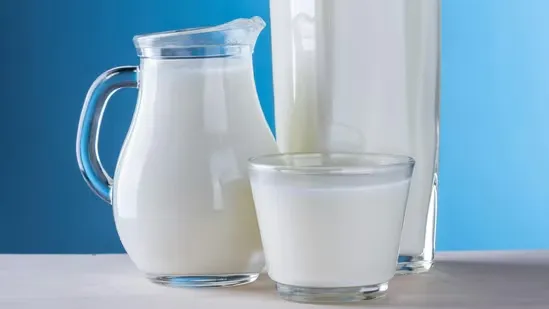
Kidney stones are often surrounded by misconceptions, and one of the most common beliefs is that consuming milk may increase the risk. However, medical experts clarify that this is not true. In fact, milk can actually help reduce the chances of developing kidney stones when consumed in moderation.
Dr. Aakil Khan, consultant urologist at KIMS Hospitals Thane, explains that most kidney stones in India are calcium oxalate stones, but the calcium present in milk does not trigger them. Instead, the calcium in milk binds with oxalate in the gut, reducing its absorption into the bloodstream and thereby lowering the risk of stones.
What really causes kidney stones?
According to Dr. Khan, dehydration, excessive salt consumption, and eating foods high in oxalates such as spinach, beetroot, and nuts are the main culprits. Low fluid intake results in concentrated urine, which allows crystals to form. High salt intake also increases calcium loss in urine, further elevating the risk.
How to prevent kidney stones?
- Hydration is key: Drinking at least 2.5 to 3 liters of water daily helps dilute urine and flush out minerals before they form stones.
- Balanced diet: For healthy individuals, two glasses of milk or equivalent dairy per day is safe and beneficial. Eliminating milk unnecessarily could lead to calcium deficiency, weakening bones.
- Who should be cautious: People with recurrent kidney stones, kidney disorders, or specific metabolic conditions may require special dietary restrictions under medical supervision.
Ultimately, moderation and hydration are the best defenses. Milk remains an important part of a balanced diet unless otherwise advised by a doctor.