


Dussehra 2025, also known as Vijaydashmi, marks the end of Navratri and celebrates the triumph of good over evil. Across India, families prepare festive meals that reflect local traditions and culinary heritage. From burning Ravana effigies to indulging in seasonal delicacies, the day is as much about food as it is about rituals.
In Eastern India, particularly West Bengal, Bijoya Dashami sees families bidding farewell to Goddess Durga. Traditional meals include khichuri with labra, payesh, and sweets like sandesh and rasgulla. Non-vegetarian dishes also feature prominently with mutton kosha and fish curries gracing festive tables.
In Uttarakhand, families cherish home-cooked treats, and one of the standout dishes is Jhangore ki kheer, a dessert made from Barnyard millet. This sweet dish is not only nutritious but also evokes childhood memories and festive nostalgia.
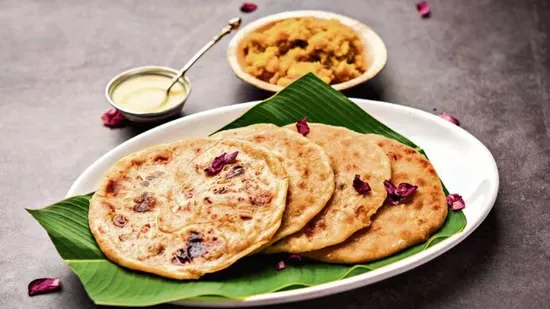
Maharashtra observes Vijayadashami with the exchange of apta or bidi leaves, symbolising gold. Culinary highlights include puran poli, shrikhand, basundi, and kadakani, a sweet puri served as prasad.
In Gujarat, the festive morning begins with fafda and jalebis, creating a sweet start to the celebrations. Across India, these traditional foods carry both spiritual significance and cultural pride, making Dussehra feasts a vibrant part of the festival experience.