


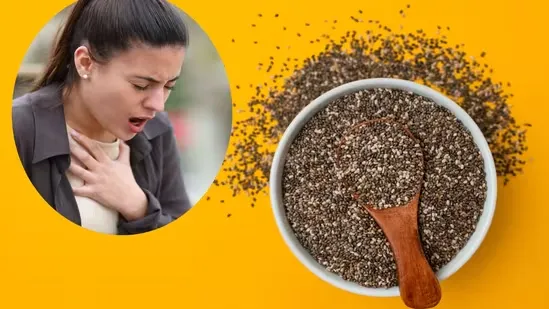
Chia seeds are often praised as a superfood and have become a staple in smoothies, puddings, breakfast bowls, and weight-loss diets. Packed with fiber, plant-based omega-3 fatty acids, antioxidants, and minerals, they support digestion, heart health, and long-lasting fullness. However, according to nutrition experts, excessive intake can quietly trigger several health concerns.
Khyati Rupani, Founder and Chief Nutritionist at Balance Nutrition, explains that the issue lies not with chia seeds themselves but with portion size and consumption habits. When eaten in excess or without soaking, these tiny seeds can overwhelm the digestive system and interfere with certain medications.
Overconsumption may lead to digestive discomfort such as bloating, gas, constipation, or diarrhea due to their high fiber content. Individuals with sensitive digestion or conditions like IBS are more prone to these effects. Chia seeds are also known to naturally reduce blood pressure, which can be beneficial for people with hypertension but problematic for those with low blood pressure or those taking BP-lowering medication, potentially causing dizziness or fatigue.
Despite being healthy, chia seeds are calorie-dense, and frequent overuse may contribute to excess calorie intake, slowing weight-loss progress. A lesser-known but serious risk is choking, especially when dry seeds are consumed, as they expand rapidly upon contact with liquid. Soaking them before eating is essential.
In rare cases, chia seeds may trigger allergic reactions ranging from mild itching to severe breathing difficulties. Long-term excessive intake of alpha-linolenic acid found in chia seeds has also been associated with potential prostate health concerns, although this does not establish direct causation. Additionally, chia seeds can interact with diabetes medications and blood thinners by lowering blood sugar levels and thinning the blood naturally.
Nutritionists recommend moderation, proper soaking, and consulting a healthcare professional if you are on regular medication. Chia seeds remain a healthy addition to the diet when consumed mindfully and in appropriate quantities.