


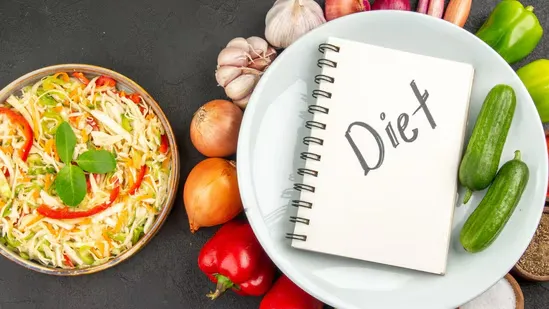
Managing high blood pressure does not always begin with medication. Health experts emphasize that long-term control of hypertension is strongly influenced by daily food choices and lifestyle habits. One of the most trusted and research-backed approaches is the DASH diet, short for Dietary Approaches to Stop Hypertension. This eating pattern was developed through extensive clinical research to understand how nutrition directly impacts blood pressure levels and heart health.
The DASH diet focuses on whole nutrient-rich foods that support healthy blood vessels and reduce strain on the heart. It promotes a higher intake of fruits vegetables whole grains legumes lean proteins nuts seeds and low-fat dairy products while limiting sodium saturated fat and processed foods. According to dietitians this balanced approach helps the body regulate fluids improve blood vessel flexibility and maintain stable blood pressure naturally.
Health specialists explain that the DASH diet works by reducing sodium intake which helps prevent excess fluid retention in the body. Lower sodium levels decrease pressure on artery walls leading to improved blood flow. At the same time the diet increases essential minerals such as potassium magnesium and calcium which play a key role in relaxing blood vessels and balancing the negative effects of salt. Studies show that individuals following the DASH diet may see noticeable reductions in both systolic and diastolic blood pressure within just two weeks.
Another strength of the DASH diet is that it avoids extreme restrictions. Instead it encourages sustainable eating habits by replacing refined and processed foods with wholesome options. Whole grains like oats brown rice and whole wheat bread provide fiber that supports heart health. Lean proteins such as fish poultry and lentils supply energy without excess saturated fat. Fruits and vegetables offer antioxidants that reduce inflammation and protect the cardiovascular system.
Dietitians also highlight the importance of sodium limits within the DASH diet. A standard DASH plan recommends consuming no more than 2300 milligrams of sodium per day while a lower sodium version suggests limiting intake to 1500 milligrams daily for greater benefits especially for individuals with diagnosed hypertension. Since packaged foods often contain hidden salt choosing fresh home-cooked meals is strongly advised.
Certain foods should be reduced or avoided to effectively manage blood pressure. These include packaged snacks canned soups pickles sugary drinks sweets fried foods fatty meats full-fat dairy products and excessive alcohol. Such items are high in sodium unhealthy fats and added sugars which contribute to elevated blood pressure and increase the risk of heart disease.
A simple daily meal structure can help beginners follow the DASH diet with ease. Breakfast may include oatmeal with fruit and low-fat milk along with herbal tea. Mid-morning snacks can be fresh fruit or sprouts. Lunch options include brown rice or whole wheat roti paired with grilled fish chicken or lentils and a large portion of vegetables. Evening snacks like unsalted roasted makhana are ideal while dinner should focus on steamed vegetables lean protein and whole grains. Herbs spices and lemon can be used instead of salt to enhance flavor and hydration should be maintained throughout the day.
While the DASH diet is safe for most adults some individuals need caution. People with chronic kidney disease advanced heart failure low blood pressure electrolyte imbalances or diabetes should consult a healthcare professional before starting this plan to ensure nutrient levels and portions are appropriate.
Overall the DASH diet is ideal for individuals with high blood pressure those at risk of heart disease and adults seeking long-term cardiovascular health. Its balanced structure makes it suitable for sustained lifestyle change rather than short-term results.