


Earwax buildup is a common issue, but removing it incorrectly can lead to serious complications. A medical expert from Maryland has highlighted the safest approach to managing earwax, cautioning against widely used home methods such as cotton swabs and hairpins.
Dr Kunal Sood, a specialist in anesthesiology and interventional pain medicine, recently shared insights on safe ear care. According to him, earwax—also known as cerumen—plays an essential role in maintaining ear health. It helps trap dust, bacteria, and other particles while keeping the ear canal moisturised.
Problems arise when earwax accumulates excessively and hardens, potentially blocking the ear canal. This can lead to symptoms like reduced hearing, a feeling of fullness, ringing sounds, and even dizziness in some cases.
Despite common habits, using cotton swabs, bobby pins, or similar objects is strongly discouraged. These methods often push the wax deeper into the ear rather than removing it, increasing the risk of injury to the ear canal or eardrum.
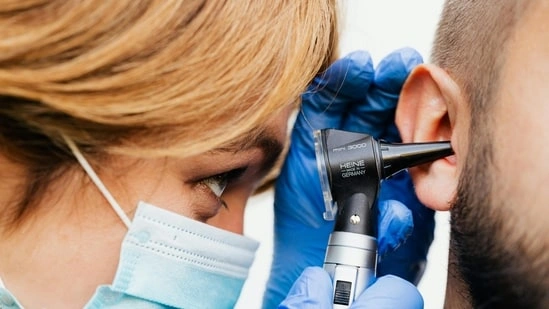
Instead, the safest course of action is to seek help from a qualified healthcare professional. Doctors typically use specialised instruments, gentle suction techniques, or controlled irrigation methods to safely remove earwax while directly visualising the ear canal to avoid damage.
Medical experts emphasise that while earwax is beneficial, it should only be removed when it causes blockage or discomfort. Proper treatment not only restores hearing but also improves overall ear comfort.
Earwax is produced naturally by glands in the ear canal and serves multiple protective functions. It acts as a barrier against water, prevents dryness, traps dirt and debris, and even helps fight infections. There are two main types of earwax—wet and dry—which vary depending on genetics.
Individuals experiencing persistent symptoms or discomfort are advised to consult a doctor rather than attempting self-treatment. Safe ear care practices are essential to avoid long-term complications.