


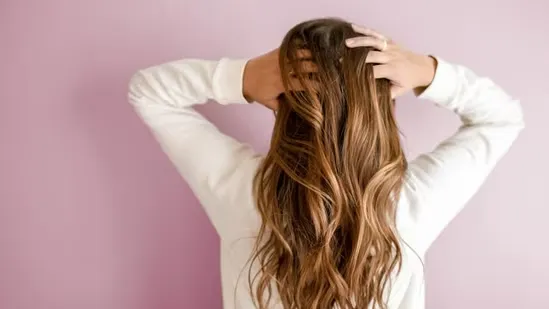
Growing strong glossy hair is a challenge for many people especially with countless products and trends creating confusion. While hair care routines differ from person to person experts emphasize that simple consistent habits can support natural growth without expensive treatments. Based on expert advice here are five essential practices that contribute to healthier longer hair.
Keeping the scalp in good condition is the foundation of strong hair. Research highlights that the scalp acts as the base for new follicle growth which means poor scalp hygiene can lead to issues like dandruff and weakened strands. Washing your hair twice a week helps maintain cleanliness and supports natural growth.
Choosing the right products is another key step. With so many shampoos oils and treatments available it becomes difficult to pick what truly works. Specialists recommend consulting a dermatologist or using products suited to your specific hair type. Gentle regular oiling can also nourish the scalp and improve texture over time.
A balanced diet plays an equally important role. Nutrient rich foods containing zinc iron and vitamin D can significantly enhance scalp health. Dermatologists note that people with a complete diet do not require supplements and consuming unnecessary supplements can sometimes contribute to hair problems including increased hair fall.
Avoiding tight hairstyles is also crucial. Constantly tying hair into tight buns or braids puts tension on the scalp and can lead to hair thinning or traction alopecia. Allowing the hair to rest in its natural state reduces stress on the follicles and helps prevent long term damage especially near the frontal hairline.
Finally persistent hair issues may require medical guidance. Some conditions like alopecia areata cannot be resolved with routine care and may need treatments such as corticosteroid injections. Hormonal imbalances can also contribute to excessive shedding making professional advice essential when regular methods fail.