


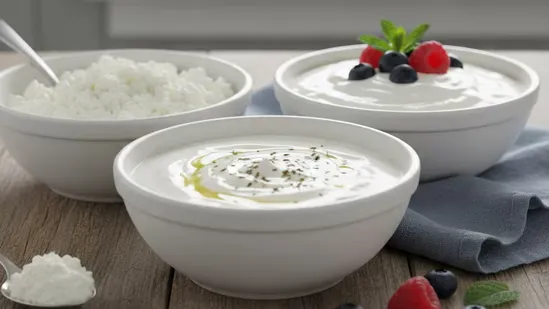
When it comes to building muscle improving recovery and supporting daily nutrition goals fermented dairy products are often at the top of the list. Indian curd Greek yogurt and Icelandic skyr are all widely praised for their gut-friendly benefits but not all of them deliver the same protein value. A recent comparison by fitness coach Ralston D’Souza highlights which option stands out when protein density and fat content are taken into account.
Fermented dairy foods are created by introducing beneficial bacteria to milk a process that improves digestion enhances nutrient absorption and supports gut health. While curd Greek yogurt and skyr all fall under this category their nutritional differences largely depend on how they are produced and strained. According to D’Souza the level of straining directly affects protein concentration texture and fat content.
Indian curd which is commonly consumed in everyday meals provides roughly five grams of protein per 100 calories. It is lightly fermented and minimally strained making it a balanced option for digestion hydration and daily nutrition especially in Indian diets. Greek yogurt undergoes a more intensive straining process which removes excess whey resulting in a thicker texture and a higher protein concentration of around ten grams per 100 calories. This makes it a popular choice among fitness enthusiasts and those focused on muscle recovery.
Skyr however takes the process a step further. Traditionally made using skim milk and strained even more extensively than Greek yogurt skyr delivers approximately twelve grams of protein per 100 calories while remaining very low in fat. Its dense creamy texture and high protein efficiency make it particularly appealing for individuals looking to maximize protein intake without increasing calorie or fat consumption.
D’Souza emphasizes that all three options offer high-quality protein and probiotic benefits but the ideal choice depends on individual goals. For everyday digestion and affordability curd remains an excellent staple. Greek yogurt offers a strong middle ground for those balancing taste texture and protein. For those strictly targeting lean protein intake skyr clearly comes out on top.
Ultimately incorporating any of these fermented dairy options into a balanced diet can support gut health muscle maintenance and overall wellness. Rotating between them can also help diversify nutrient intake while keeping meals interesting and effective.