


Regular workouts are essential for maintaining good health, but certain high-intensity exercises may place unnecessary strain on your joints. While adults are advised to engage in moderate physical activity throughout the week, overexertion or performing advanced movements without proper form can lead to long-term knee, shoulder, and spine issues. Addressing this growing concern, Florida-based orthopaedic sports surgeon Dr David Abbasi recently shared five exercises he avoids due to the injury risks they pose.
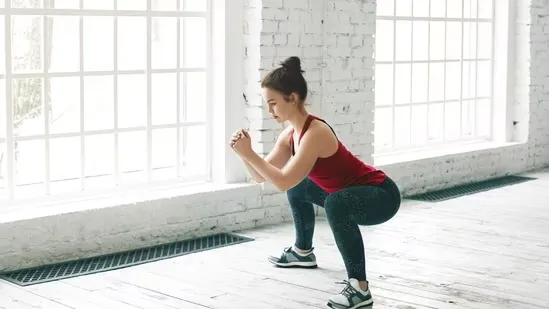
According to the surgeon, not every extreme or “hardcore” routine benefits joint health. Movements that push the body beyond its natural limits, involve excessive loads, or require advanced technique can easily cause joint strain or cartilage damage. Based on cases he regularly encounters in his clinic, Dr Abbasi warned against deep heavy squats that overload the knees and spine, behind-the-neck presses that stress the shoulder’s rotator cuff, high-impact jump training on hard surfaces, uncontrolled kipping pull-ups and improper Olympic lifts that increase chances of shoulder and back injury, and heavy straight-leg deadlifts that place pressure on the lumbar discs.
These exercises demand perfect form and careful progression, but many people perform them without adequate supervision, raising the risk of long-term joint problems. Instead, Dr Abbasi advises prioritising controlled movement, joint-friendly ranges of motion, and gradual loading. He emphasises that fitness should focus on longevity rather than intensity, encouraging individuals to avoid pushing through pain or adopting techniques that exceed their natural mobility.
The reminder is especially important in a culture that often glorifies extreme training. Exercises that appear effective or powerful can be harmful if they place joints under extreme tension or are executed incorrectly. Focusing on safer variations, maintaining proper posture, and progressing slowly can help protect joint health and prevent avoidable injuries. While challenging workouts can be beneficial, smart training ensures your body remains strong and resilient in the long run.