


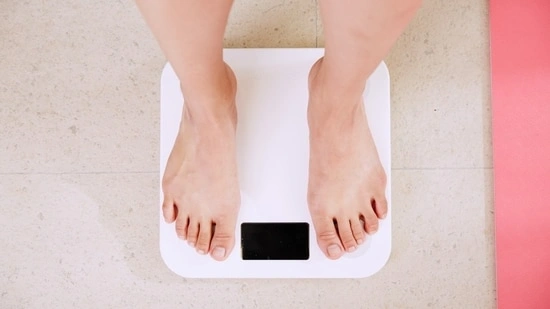
If you’ve ever stepped on the scale after enjoying a dessert and noticed a sudden increase in weight, it might feel frustrating—but it’s not necessarily a sign of fat gain. According to nutrition insights shared by Khushi Chhabra, short-term weight changes after consuming carbohydrates are usually linked to water retention rather than actual fat accumulation.
Carbohydrates are stored in the body as glycogen, which plays a key role in energy supply. However, glycogen also binds with water in the body. This means that when you consume a higher amount of carbs, your body stores more glycogen along with additional water, temporarily increasing your weight on the scale.
As explained by Khushi Chhabra, for every 100 grams of carbohydrates consumed, the body can retain around 400 grams of water. This natural biological process can cause noticeable but temporary weight gain, especially after carb-rich meals or indulgent treats.
These fluctuations often mislead people into thinking they have gained fat overnight. In reality, fat gain requires a sustained calorie surplus over time, not just a single meal. Similarly, reducing carbohydrate intake may show a quick drop in weight, but that too is mostly due to water loss rather than fat reduction.
Experts highlight that reacting emotionally to daily changes on the scale can lead to unhealthy patterns such as extreme dieting or excessive exercise. Instead, focusing on consistent habits and long-term progress is far more effective for maintaining a healthy lifestyle.
Rather than checking weight daily, tracking progress weekly provides a clearer and more accurate picture. Building sustainable eating habits, staying active, and avoiding guilt around occasional indulgences are key to long-term wellness.
Ultimately, a single dessert or carb-heavy meal does not define your health journey. Understanding how the body responds to food can help reduce unnecessary stress and promote a more balanced approach to fitness and nutrition.