


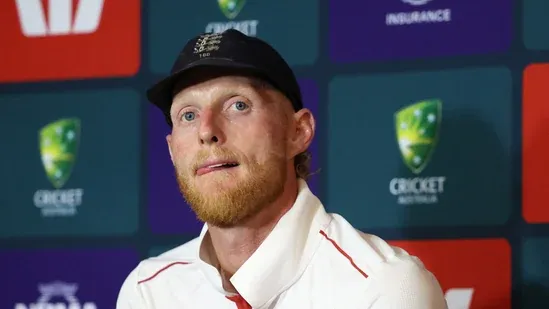
Geoffrey Boycott has delivered a scathing assessment of England’s Ashes campaign after a disastrous start in Brisbane, describing the performance as a complete breakdown across batting, bowling and fielding. The former England opener argued that this Australian side was vulnerable, yet England’s execution left them miles from competing. Boycott believes the side now faces an uphill battle after only a few days of cricket, saying their approach made the challenge far tougher than it needed to be.
He criticised England’s tactical choices, suggesting that their preparation and execution fell short of what Test cricket demands. According to Boycott, the constant messaging around a long-term “four-year blueprint” for the Ashes has created a false sense of confidence within the setup. He argued that the leadership environment under Ben Stokes and Brendon McCullum acts like an echo chamber, shutting out external insights and overestimating their own innovations. Boycott suggests that this mentality has allowed players to take the field without fear of consequences, resulting in repeated mistakes and reckless batting.
Young talents were not exempt from criticism. Boycott highlighted Harry Brook’s first-innings dismissal, describing it as an example of poor judgement that ignored match conditions. While acknowledging Brook’s natural ability, he accused him of playing in a way that prioritised individual flair over team responsibility. Ollie Pope also came under fire for gifting his wicket at crucial moments, with Boycott noting that Pope’s attacking instincts often overshadow his duty to preserve his wicket during difficult periods. Zak Crawley and Joe Root were among the few performances he viewed positively, praising Crawley’s improved intent and Root’s composed hundred despite the overall collapse.
Boycott was equally unimpressed with England’s bowling strategy. He criticised the heavy reliance on short-pitched deliveries, pointing out that Australia capitalised by scoring freely behind square. He questioned why England failed to use the traditional line-and-length approach that has historically troubled Australian batters. Concerns were raised about the match readiness of bowlers like Jofra Archer, while Brydon Carse’s tactics were portrayed as misguided and ineffective. Even the team’s selection faced scrutiny, with Boycott arguing that some players are more suited to white-ball cricket than the rigours of Test competition.
His overall assessment is that England must rediscover discipline, strategic clarity and accountability if they hope to compete in Australia. Boycott remains unconvinced by optimistic messaging from the leadership group and believes the team cannot rely on slogans or theoretical plans. Instead, he insists England need genuine tactical adjustments and mental resilience to remain competitive in the series.