


The gut microbiome plays a vital role in digestion, immunity, and overall well-being. Modern lifestyle changes, however, have disrupted this delicate ecosystem. Dr Hemant Jain, Consultant Laparoscopic and GI Cancer Surgeon at Lilavati Hospital and Research Centre, explains that poor dietary habits, processed foods, and lack of traditional eating practices are leading to gut imbalances and multiple health issues.
According to Dr Jain, the gut microbiome—a diverse community of bacteria, fungi, and other microbes in the digestive system—supports digestion, metabolism, and immunity. A healthy microbiome thrives on dietary fibre, natural diversity, and fermented foods. Unfortunately, the rising dependence on fast food and unhealthy lifestyle choices is damaging this balance, contributing to obesity, diabetes, gastrointestinal disorders, and even mental health conditions.
4 Habits to Avoid for Better Gut Health
- Excessive processed foods – Packaged snacks, sugary drinks, and fast food are low in fibre and loaded with sugar and unhealthy fats, which harm gut bacteria.
- Lack of dietary diversity – Traditional Indian meals once included whole grains, lentils, seeds, and seasonal vegetables, but modern diets lack this variety, reducing microbiome richness.
- Overuse of antibiotics and pesticides – Unnecessary antibiotics and exposure to pesticide-treated foods disturb beneficial gut bacteria and weaken gut resilience.
- Sedentary lifestyle and stress – Poor sleep, inactivity, and irregular eating patterns disrupt gut balance, highlighting the need for holistic lifestyle management.
3 Dietary Choices for a Strong Gut Microbiome
- Eat fibre-rich vegetables and fruits – Spinach, carrots, beetroots, broccoli, and nuts feed beneficial microbes.
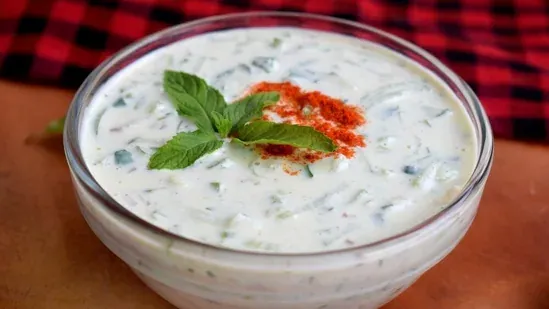
- Include fermented foods – Dahi, buttermilk, idli, dosa, pickles, and kanji act as natural probiotics that increase good bacteria.
- Switch to whole grains and lentils – Millets like ragi, jowar, bajra, along with dals and legumes such as moong, toor, rajma, and chickpeas support gut diversity.
Note:
This article is educational and not a substitute for medical advice. Consult your doctor for personalized health guidance.