


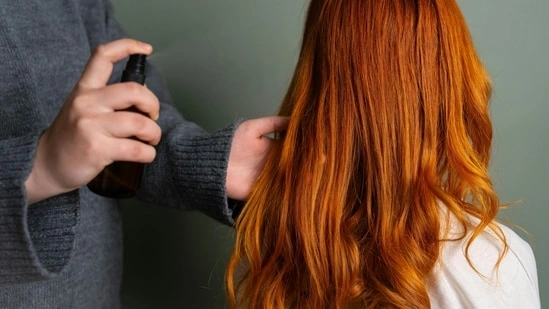
Hair colouring has become a routine part of personal grooming, but frequent use of chemical-based dyes can quietly harm both your hair and scalp. Experts warn that ingredients commonly found in traditional hair colours—such as ammonia, hydrogen peroxide, and PPD—may weaken hair structure over time.
According to hair care specialist Dr Harinder Arya, there are several warning signs that indicate your current hair colour may be causing more harm than benefit.
One of the earliest indicators is persistent dryness. Hair may begin to feel rough, brittle, and straw-like due to repeated moisture loss, suggesting damage to the outer cuticle layer. Increased hair fall after colouring is another red flag, as chemical exposure can weaken roots and lead to noticeable shedding.
Scalp discomfort should not be ignored either. Itching, redness, or sensitivity often signals that harsh chemicals are disrupting scalp balance. Over time, this can escalate into more serious irritation if not addressed.
Breakage and thinning are also common signs of damage. Hair strands lose strength, snap easily, and gradually appear less dense. Alongside this, a loss of shine and softness becomes evident, leaving hair looking dull and lifeless.
Frequent split ends are another visible symptom of structural damage, making hair appear unhealthy and difficult to manage. Uneven or patchy colour results can also indicate poor-quality formulations that fail to distribute colour evenly.
If you experience a burning or tingling sensation during application, it may point to aggressive chemical activity that can harm both scalp and hair. Additionally, noticing more grey hair despite regular colouring could mean that chemical exposure is affecting natural pigment balance.
Experts suggest that many of these issues stem from high-alkaline formulations that disrupt the natural structure of hair. As awareness grows, more people are shifting toward gentler alternatives that are free from harsh oxidising agents and designed to preserve hair health.
Choosing a hair colour today is not just about achieving the perfect shade—it is equally important to protect the strength, texture, and long-term health of your hair. Consulting a professional before making changes to your hair routine is always recommended.