


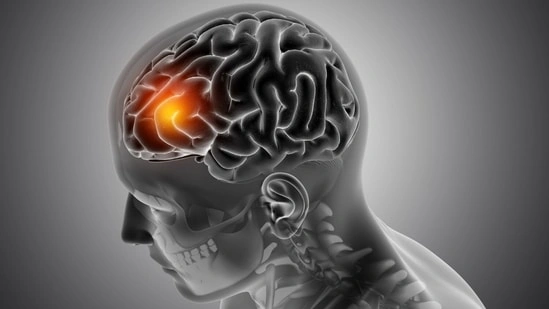
A leading heart specialist with decades of experience has stressed the importance of recognising stroke symptoms quickly, warning that even a few minutes can make a life changing difference. A stroke, often referred to as a brain attack, happens when blood flow to the brain is suddenly interrupted either due to a blockage or bleeding, leading to damage or death of brain cells.
According to World Stroke Organization, strokes remain one of the major causes of death and long term disability worldwide. Reports indicate that around one in four adults over the age of 25 may experience a stroke during their lifetime, highlighting the urgency of awareness and prevention.
Experienced cardiovascular surgeon Dr Jeremy London explained that the brain requires a constant supply of oxygen and nutrients to function properly. Even a short disruption in blood flow can lead to serious complications, making rapid response absolutely essential.
Health experts including Johns Hopkins Medicine also classify stroke as a medical emergency that requires immediate attention. The faster treatment begins the greater the chances of reducing long term damage.
Key Stroke Symptoms Explained with BE FAST
To help people easily remember the warning signs, Dr Jeremy recommends using the simple acronym BE FAST. This method can help individuals quickly identify symptoms and take action without delay.
B stands for balance meaning sudden dizziness loss of coordination or difficulty maintaining stability
E stands for eyes referring to sudden vision problems such as blurred sight double vision or loss of vision
F stands for face indicating drooping or uneven appearance on one side of the face
A stands for arm highlighting weakness or inability to lift one arm properly
S stands for speech which includes slurred speech or difficulty speaking clearly
T stands for time reminding people to immediately call emergency services if any of these symptoms appear
Recognising even one of these signs should be treated as an emergency. Immediate medical attention can significantly improve outcomes and reduce the risk of permanent damage.
Why Immediate Medical Help Is Crucial
Dr Jeremy strongly advises against attempting to drive to the hospital during a suspected stroke. Emergency responders can begin treatment in the ambulance and alert hospital teams in advance ensuring faster care upon arrival.
He emphasised that every second matters when dealing with a stroke as early intervention can help preserve brain function. Acting quickly not only saves lives but also improves recovery chances for patients.
While this information helps raise awareness it is important to consult qualified healthcare professionals for proper diagnosis and treatment in case of any medical concern.