


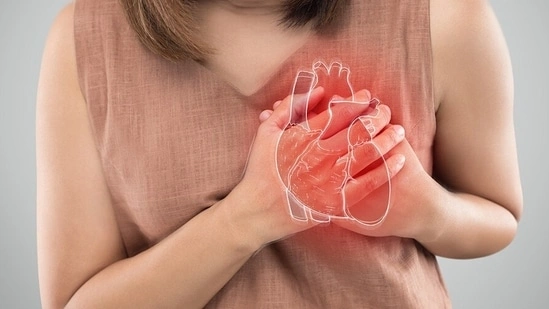
A heart attack may seem like a sudden and dramatic event, but in reality, it is the result of a slow and silent process that develops over many years. According to cardiology experts, the real danger begins long before any visible symptoms appear, as damage gradually builds up inside the arteries.
The inner lining of the arteries, which is made up of delicate living tissue, can become damaged due to several common lifestyle and health factors. High blood pressure, elevated cholesterol levels, smoking, and uncontrolled blood sugar all contribute to this damage. Over time, the body tries to repair these injured areas by depositing fatty substances along the artery walls.
This buildup of fat gradually hardens into what is known as plaque, a condition called atherosclerosis. Surprisingly, this process can begin as early as a person’s twenties without causing noticeable symptoms. As plaque accumulates, it narrows the arteries and restricts blood flow, making it harder for oxygen-rich blood to reach the heart.
However, a heart attack is not always caused simply by blocked arteries. The more critical and dangerous event occurs when a plaque suddenly ruptures. Soft plaques are particularly unstable and prone to breaking. When a rupture happens, the body quickly forms a blood clot at that site. If the clot blocks blood flow, even partially, it can deprive the heart muscle of oxygen, leading to tissue damage or death.
Several factors can accelerate plaque formation and increase the risk of rupture. These include high LDL cholesterol, uncontrolled hypertension, smoking, diabetes, chronic stress, lack of physical activity, and excess body weight. What makes this more concerning is that these risk factors often remain silent, showing no obvious warning signs until a serious event occurs.
Despite its silent progression, the body may still give subtle warning signals before a heart attack. These can include unexplained fatigue, chest discomfort during physical activity, shortness of breath, or pain spreading to the back, arms, or jaw. Recognizing these early signs and seeking medical attention can be life-saving.
Prevention plays a crucial role in reducing the risk of heart attacks. Maintaining healthy blood pressure, managing cholesterol levels, staying physically active, eating a balanced diet, and avoiding smoking can significantly slow down plaque buildup. Regular health check-ups, including monitoring blood pressure, blood sugar, and cholesterol, are essential steps in protecting heart health.