


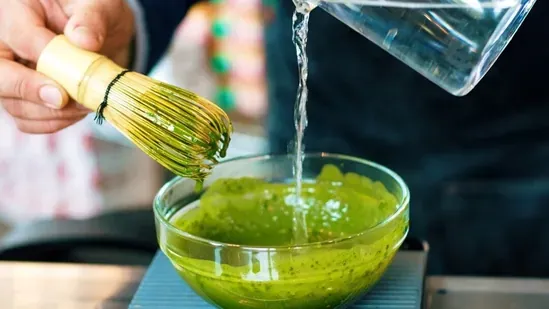
Matcha has gained widespread popularity as a powerful antioxidant-rich drink, praised for boosting energy and promoting overall wellness. However, recent insights from Dr Joseph Salhab, a gastroenterologist from Florida, shed light on a lesser-known aspect: matcha’s potential effect on iron absorption. While matcha is generally healthy, excessive consumption can interfere with the body’s ability to absorb non-heme iron, which is primarily found in plant-based foods such as spinach, beans, lentils, and other vegetables.
Dr Salhab explains that the polyphenols in green tea and matcha can reduce iron absorption, and frequent intake alongside iron-rich meals could contribute to iron deficiency in some cases. Fortunately, a few simple strategies can help you continue enjoying your favorite drink while maintaining healthy iron levels.
To reduce the impact of matcha on iron absorption, avoid drinking it with meals or immediately after eating iron-rich foods. Waiting at least one to two hours before consuming matcha is advisable. Pairing plant-based iron sources with vitamin C-rich foods like oranges, strawberries, bell peppers, or tomatoes can enhance iron absorption. Cooking vegetables rather than eating them raw also increases the body’s ability to absorb iron efficiently. Limiting matcha to one cup a day and avoiding continuous sipping throughout the day is recommended for those at risk of low iron levels. Regular blood tests to monitor iron can provide additional safety.
By following these practical tips, matcha enthusiasts can safely enjoy their daily cup without compromising iron health, striking a balance between wellness benefits and nutritional needs.