


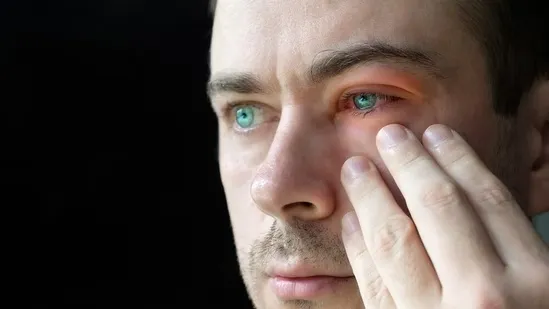
Your eyes may reveal far more than just your current eyesight—they can also expose early signs of serious health conditions such as diabetes and high cholesterol. According to Dr. Aditi Singh, Senior Consultant Ophthalmologist at Dr Agarwals Eye Hospital in Mangalore, regular eye examinations can help detect silent indicators of systemic diseases before any physical symptoms become apparent.
Dr. Singh emphasizes that the eyes can act as a window into overall health. Through a comprehensive eye checkup, medical professionals can identify early warning signs of chronic illnesses that might otherwise go unnoticed.
How diabetes shows up in your eyes:
When blood sugar levels are consistently high, they can damage the tiny blood vessels in the retina, a condition known as diabetic retinopathy. In its early stages, this condition may not show any clear symptoms, but as it worsens, the following signs may occur:
- The presence of floaters or dark spots drifting across your vision.
- Blurred or distorted vision caused by swelling in the retina’s center (macular edema).
- Blind spots or dark patches within the visual field.
- Fluctuating eyesight due to unstable blood glucose levels.
If left unmanaged, diabetic retinopathy can progress and eventually lead to permanent vision loss. This is why regular eye screenings are strongly recommended for individuals diagnosed with diabetes.
How high cholesterol affects your eyes:
Elevated cholesterol levels can also leave noticeable signs in the eyes. Dr. Singh lists several eye-related symptoms that could be linked to high cholesterol:
- Xanthelasma: These are soft, yellowish patches of fat that usually appear near the inner corners of the eyelids. Although painless, their presence may suggest high cholesterol levels and indicate a need for further medical testing.
- Age-Related Macular Degeneration (AMD): Cholesterol buildup can contribute to AMD, which appears as small dark spots in the central vision. Over time, this can worsen and lead to significant vision impairment.
- Arcus Senilis: A gray, white, or bluish ring forming around the outer edge of the cornea. While common in older adults, in younger individuals it may signal abnormally high cholesterol levels.
- Retinal Vascular Occlusion: This occurs when cholesterol plaques block blood flow to or from the retina, leading to sudden vision loss—essentially a mini-stroke in the eye.
Regular eye checkups can act as a preventative measure for detecting these conditions early. Identifying these symptoms may help patients seek timely intervention and avoid more serious complications in the future.
Disclaimer: This article is meant for educational purposes only and should not replace professional medical advice. Always consult with a qualified healthcare provider for diagnosis and treatment.