


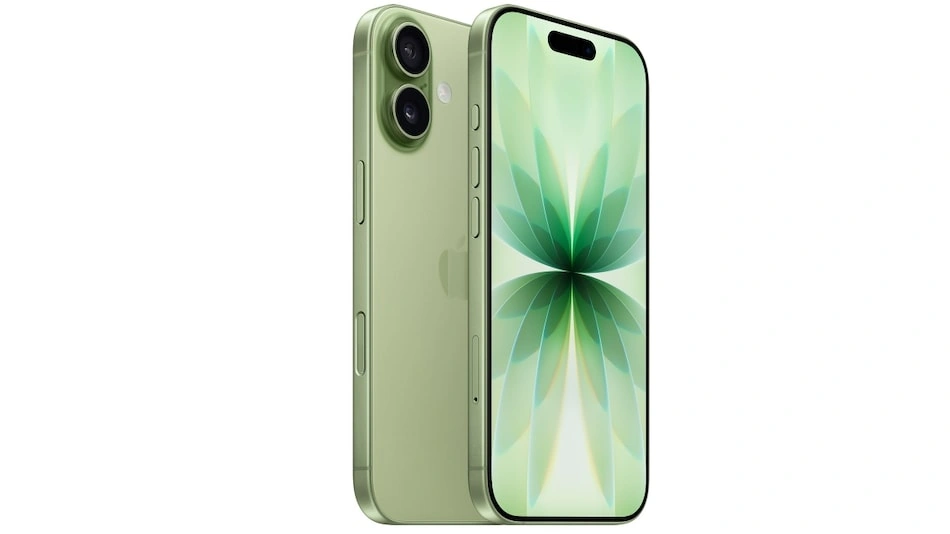
Reports surrounding the upcoming iPhone lineup indicate that Apple may continue its tradition of subtle design evolution rather than major visual changes. According to recent leaks, the standard iPhone 18 is expected to maintain a design language similar to its predecessor, the iPhone 17, despite earlier speculation hinting at noticeable updates such as a smaller Dynamic Island.
A tipster on Weibo, known for sharing industry insights, claims that the base iPhone 18 will not undergo significant external redesign. This contradicts previous rumors suggesting a refined front display experience across the entire lineup. Instead, Apple may focus on internal upgrades and performance improvements rather than altering the overall look.
In terms of display, the iPhone 18 is rumored to feature a 6.27-inch LTPO panel with a 120Hz refresh rate, ensuring smoother visuals and improved power efficiency. Meanwhile, the anticipated iPhone Air 2 could come equipped with a slightly larger 6.55-inch LTPO display, also supporting a 120Hz refresh rate.
The launch schedule for the iPhone Air 2 has also become a topic of discussion. While earlier reports suggested a possible delay until 2027, new information indicates that Apple might stick to its usual annual release cycle. This means the iPhone Air 2 could arrive alongside the iPhone 18 series, likely during the company’s traditional September launch event.
Additionally, Apple is expected to power the upcoming lineup with its next-generation A20 or A20 Pro chipset, delivering improved performance and efficiency. There are also ongoing rumors about the introduction of Apple’s first foldable iPhone, which could debut around the same timeframe, further expanding the brand’s smartphone portfolio.
Pricing for the new models is likely to remain consistent with the previous generation, making the upgrades more performance-focused rather than price-driven. While these details are based on leaks and industry speculation, they offer an early glimpse into Apple’s possible strategy for its future iPhones.