


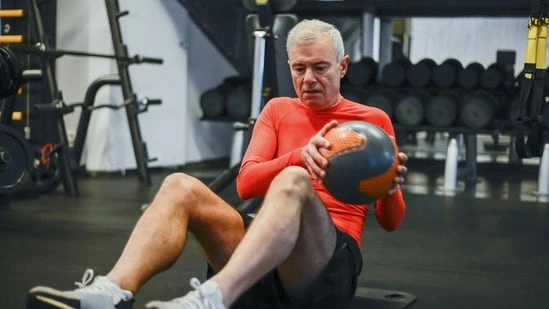
Staying active later in life is becoming increasingly common, with many people in their 60s, 70s, and even 80s embracing gym workouts. From seniors lifting weights to performing structured exercises, these inspiring examples highlight that age does not have to limit physical activity. However, alongside motivation comes the need to understand how to exercise safely and effectively during older years.
Fitness experts emphasize that working out in later life can be highly beneficial when done with proper care. Regular physical activity helps maintain muscle strength, improves balance, and supports mobility, all of which are essential for preserving independence. As the body ages, muscles tend to weaken and bone density decreases, but strength training and light resistance exercises can slow down these changes significantly.
At the same time, safety remains a key concern. Experts suggest that the effectiveness and safety of gym workouts depend on proper technique, personalized fitness plans, and, where possible, professional guidance. Controlled and gradual progression is crucial, as pushing the body too quickly can increase the risk of injuries.
For seniors starting or continuing a fitness routine, beginning with low-intensity exercises is recommended. Focusing on correct posture and form early on helps prevent strain and builds a strong foundation. Over time, intensity can be increased gradually based on comfort and ability.
Flexibility and balance training are equally important components of a well-rounded routine. Activities such as stretching, yoga, or simple stability exercises improve joint movement and coordination, which are vital for reducing the risk of falls and maintaining everyday functionality.
Another important factor is recovery. Older adults often require more time between workout sessions to allow the body to heal and adapt. Ignoring rest can lead to fatigue or injury, making recovery just as important as the workout itself.
Listening to the body is essential. Signs such as pain, excessive tiredness, or discomfort should never be ignored. Adjusting workouts based on these signals ensures a safer and more sustainable fitness journey.
Nutrition and hydration also play a significant role in supporting physical activity. A balanced diet rich in protein helps maintain muscle health, while adequate water intake keeps the body functioning efficiently. Proper footwear and comfortable workout gear further reduce the chances of injury.
Additionally, individuals with existing health conditions such as heart issues, joint problems, or diabetes should consult a medical professional before starting any exercise program. A health check can help tailor a routine that is both safe and effective.
In conclusion, gym workouts in older age are not only safe but highly beneficial when approached with awareness and proper guidance. With the right balance of exercise, rest, and nutrition, seniors can enhance their strength, boost overall well-being, and enjoy a more active and fulfilling lifestyle.