


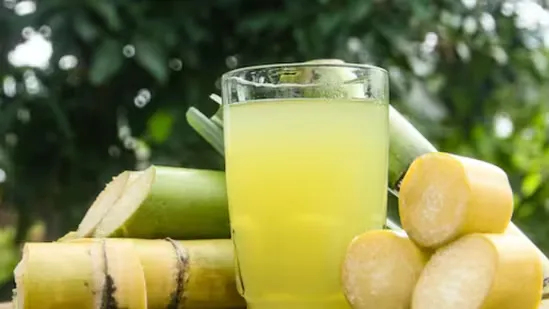
Sugarcane juice is one of the most loved traditional street beverages, especially during hot weather, thanks to its naturally sweet taste and cooling effect on the body. Extracted directly from fresh sugarcane stalks, this drink contains natural sugars, water, minerals, antioxidants, and small amounts of fiber. Because it is unprocessed and free from artificial sweeteners, many people consider sugarcane juice a healthier alternative to packaged soft drinks. However, despite its nutritional advantages, experts advise mindful consumption, as excessive intake may lead to health concerns.
From a nutritional standpoint, sugarcane juice offers quick energy and hydration. A 100 ml serving provides calories mainly from natural carbohydrates, along with minerals such as potassium, magnesium, iron, and sodium that help maintain electrolyte balance. This makes it particularly useful for people exposed to heat, physical exertion, or dehydration. Doctors also note that its antioxidant compounds may help reduce oxidative stress, support immunity, and contribute to healthier skin and bones when consumed occasionally.
One of the commonly discussed benefits of sugarcane juice is its comparatively lower glycemic impact than refined sugar. Unlike processed sugar, sugarcane juice retains trace minerals like chromium, which may support glucose metabolism. This means it can cause a slower rise in blood sugar levels than refined sugar products. That said, the overall sugar load remains high, and portion size plays a critical role in determining its effect on the body.
There are also clear drawbacks that should not be ignored. Sugarcane juice contains a high amount of natural sugar and calories, which can lead to rapid spikes in blood glucose when consumed in large quantities. This makes it unsuitable as a daily drink, particularly for people with diabetes, prediabetes, insulin resistance, obesity, fatty liver disease, or metabolic syndrome. Poor hygiene during preparation can also increase the risk of bacterial contamination, especially when sold by roadside vendors.
Health experts recommend that healthy individuals consume sugarcane juice only occasionally and in small portions, preferably freshly prepared under hygienic conditions. It should be treated as an energy-boosting refreshment rather than a regular health tonic. People with compromised immunity, dental problems, or blood sugar disorders should avoid it or consult a healthcare professional before including it in their diet.