


Air pollution is no longer just an environmental concern—it has become a growing public health threat with serious consequences for lung health. Medical experts are now warning that rising pollution levels are closely linked to an alarming increase in Chronic Obstructive Pulmonary Disease (COPD), even among people who have never smoked. Pulmonologists say prolonged exposure to polluted air is silently damaging lungs, increasing hospital admissions, and shortening lives.
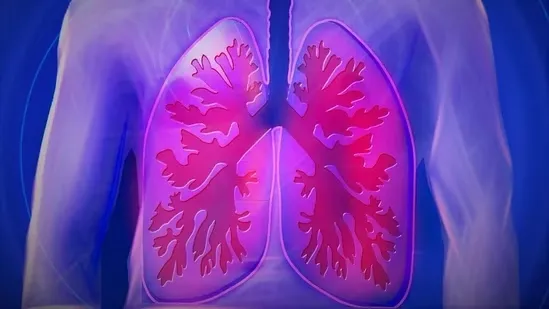
Air pollution contains a dangerous mix of fine particulate matter such as PM2.5 and PM10 along with toxic gases like nitrogen dioxide sulfur dioxide and ozone. These pollutants enter the respiratory system with every breath. Over time they cause persistent inflammation oxidative stress and irreversible damage to lung tissue. This process narrows airways increases mucus production and destroys air sacs in the lungs leading to chronic bronchitis and emphysema—the two main conditions that make up COPD.
Doctors explain that long-term exposure to polluted air significantly raises the risk of developing COPD while short-term spikes in pollution can trigger sudden flare-ups in people already living with the disease. These exacerbations often involve intense breathlessness chest tightness coughing and infections and may require emergency hospitalisation. Vulnerable groups including children older adults women and those exposed to indoor smoke from cooking fuels face even greater risks.
Medical studies show that nearly half of COPD cases worldwide now occur in non-smokers. According to global health data more than 300 million people currently live with COPD and the number continues to rise due to rapid urbanisation climate change and worsening air quality. Pulmonologists note that pollution weakens the lungs’ natural defence mechanisms making it easier for bacteria and viruses to cause serious infections such as pneumonia which further accelerates lung damage.
Indoor air pollution is an often-overlooked contributor to the problem. Smoke from wood coal kerosene and biomass fuels used for cooking and heating releases harmful toxins that remain trapped indoors. Since most people spend over 90 percent of their time inside homes workplaces or schools poor indoor air quality can be just as dangerous as outdoor smog. Women and children in rural and semi-urban areas are particularly vulnerable due to prolonged exposure during cooking.
Children face long-term consequences when exposed to polluted air early in life. Doctors warn that pollution can interfere with lung development leading to reduced lung capacity in adulthood and increasing the likelihood of chronic respiratory diseases later on. This makes clean air not just a present-day health issue but a critical investment in future generations.
Experts advise practical steps to reduce exposure including wearing protective masks during high-pollution days improving home ventilation switching to cleaner cooking fuels and using air purifiers where possible. On a larger scale they stress the need for stronger public policies focused on reducing vehicle emissions expanding green spaces improving urban planning and increasing awareness about non-smoking-related causes of COPD.
While individual protection is important pulmonologists emphasise that lasting change requires collective action to improve air quality. Cleaner air can significantly reduce respiratory illnesses improve quality of life and prevent millions of premature deaths worldwide.