


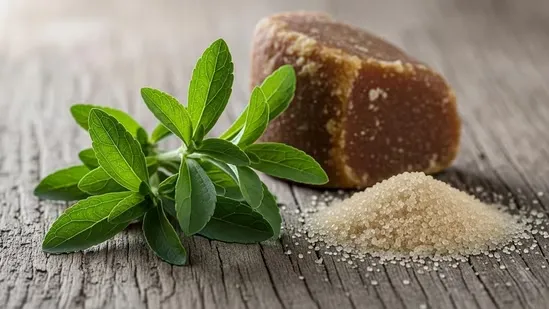
As temperatures drop and the season invites warm beverages and comforting sweets, many people unknowingly increase their intake of refined sugar—often leading to heaviness, sluggishness, and reduced immunity. To make winter eating more supportive and wholesome, Sports Nutritionist and Integrated Health Coach Nicole Linhares Kedia recommends a simple yet powerful shift: replacing refined sugar with jaggery, a naturally nutrient-rich sweetener found in most Indian households.
During winter, the body works harder to stay warm, and digestive efficiency often slows down. Refined sugar offers little more than empty calories, providing quick energy spikes followed by fatigue. Jaggery, on the other hand, is less processed and retains vital minerals such as iron and magnesium along with antioxidants that promote steady energy levels, improved warmth, and better resilience against seasonal discomforts.
Winter cravings tend to intensify, but switching to gud can bring both comfort and nourishment. Its natural heat-generating properties have long been valued in traditional diets, helping enhance circulation and keeping your body more comfortable in cooler temperatures. Improved blood flow especially benefits cold hands and feet, a common winter concern.
From a digestive standpoint, jaggery acts as a gentle after-meal soother. The nutritionist explains that eating heavier foods in winter can slow down gut activity and leave one feeling weighed down. A small piece of gud after meals supports smoother digestion, easing that familiar post-meal heaviness.
Kedia also notes that jaggery blends effortlessly with winter-friendly foods. It can be added to homemade laddoos, porridge bowls, herbal teas, or turmeric milk for warmth and flavour without the guilt associated with refined sugar. When paired with fibre-rich ingredients like seeds, nuts, or oats, jaggery releases energy more steadily and avoids sudden glucose spikes.
While jaggery offers more nourishment compared to sugar, moderation remains essential. The expert emphasises that it is still a sweetener and should be consumed thoughtfully, especially for individuals monitoring blood sugar or total calorie intake.
To get the most out of gud in winter, consider these nutritionist-approved tips:
- Add a spoon of jaggery to warm oatmeal or porridge topped with nuts and seeds
- Enjoy a small piece of gud after high-fibre meals for easier digestion
- Mix a pinch of jaggery into flaxseed or chia porridge for smoother energy and warmth
Simple winter swaps like this can make meals more comforting while genuinely supporting immunity, digestion, and energy.