


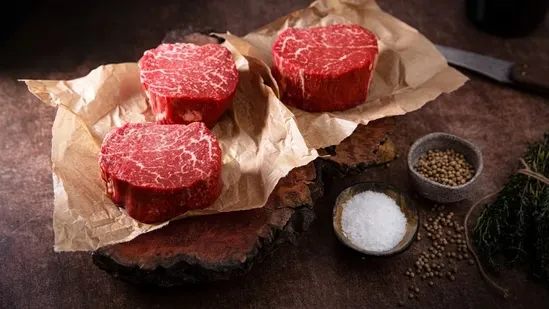
A new analysis from Penn State indicates that moderate amounts of lean beef can be included in a Mediterranean-style eating pattern without raising TMAO a blood compound linked to cardiovascular risk. The findings challenge the long-held belief that any form of beef consumption automatically increases heart disease danger. Researchers published their results in the Journal of the American Heart Association showing that TMAO levels remained stable when adults consumed modest portions of lean beef within an otherwise plant-forward diet.
The study re-examined data from a controlled feeding trial involving 30 adults who followed four separate diets for four weeks each with breaks in between. One regimen reflected a standard American diet higher in saturated fat and lower in fruits vegetables and olive oil and included daily servings of regular non-lean beef. The remaining three diets followed a Mediterranean structure rich in plant foods and healthy fats while including either 0.5 ounces 2.5 ounces or 5.5 ounces of lean or extra-lean beef per day. Because each participant experienced every diet phase the researchers were able to compare the effects without the influence of differing health profiles.
Results showed that TMAO levels stayed lower when participants consumed the Mediterranean plans with either 0.5 or 2.5 ounces of lean beef compared with the American diet. Higher beef intake within the Mediterranean routine showed no major difference from the typical American pattern suggesting that what mattered most was the overall nutritional quality rather than beef alone. Study author Kristina Petersen emphasised that the research aimed to clarify how lean beef fits into a heart-conscious lifestyle and the findings confirmed that moderation within a healthy diet appears safe.
Lead author Zachary DiMattia added that the 2.5-ounce serving reflects average US intake and that similar levels may be included without elevating TMAO when paired with nutrient-dense foods. The researchers also observed improved gut-microbiome diversity across all Mediterranean diet phases though further work is needed to understand how this interacts with TMAO formation. Experts stressed that the results do not justify heavy red-meat consumption or processed beef intake especially for older adults or those with underlying risks but show that lean unprocessed cuts can be part of a balanced eating pattern.