


Feeling drained, light-headed, or short of breath more often than usual could be your body’s way of signalling low haemoglobin. Haemoglobin plays a crucial role in transporting oxygen through the bloodstream, and when its levels drop, the result is persistent tiredness and reduced stamina. This condition, commonly referred to as anaemia, is increasingly common due to nutrient-poor diets and iron deficiency, especially among women and young adults.
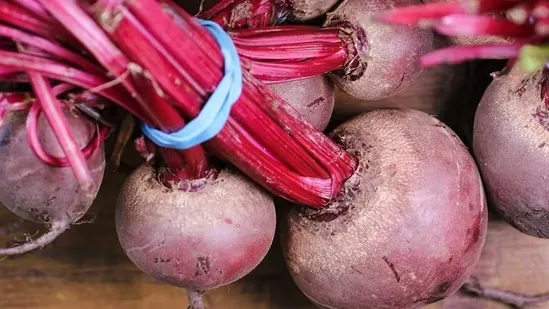
Instead of immediately turning to supplements, many people are now exploring food-based solutions. One humble root vegetable is gaining attention for its natural ability to support haemoglobin production: beetroot. Packed with iron, folic acid, dietary fibre, and essential micronutrients, beetroot supports red blood cell formation and overall blood health. Its vitamin C content further enhances iron absorption, making it especially effective when included regularly in meals.
Scientific findings back this up. Research published in 2021 highlighted that regular intake of beetroot juice helped improve haemoglobin levels in anaemic adolescents within a short period. This has encouraged nutritionists to recommend beetroot as a supportive dietary option for those experiencing mild haemoglobin deficiency.
Adding beetroot to your daily routine is simple. It can be juiced, grated into salads, blended into smoothies, or lightly cooked as part of a meal. Pairing it with vitamin C–rich foods such as citrus fruits can further improve iron uptake. Over time, consistent consumption alongside a balanced diet may help restore energy levels and improve overall wellbeing.
While beetroot is not a medical treatment, it offers an accessible and natural dietary approach for supporting healthy haemoglobin levels and maintaining daily vitality.