


Zinc is a vital trace mineral that supports multiple functions in the human body, from repairing tissues to maintaining strong immunity and healthy eyesight. Nutrition experts warn that inadequate zinc intake over time may contribute to age-related vision problems, including macular degeneration, a condition that can gradually impair eyesight as people grow older.
Since the body cannot naturally produce or store zinc, it must be consumed regularly through food. Zinc plays a central role in wound healing, cell growth, hormone production, protein synthesis, and immune defense. It is also essential for maintaining healthy skin, hair, and nails. A prolonged deficiency can show up through symptoms such as poor appetite, unexplained weight loss, frequent infections, digestive problems like diarrhea, slow wound healing, hair thinning, and gradual vision decline.
According to Darshana, a nutritionist at Rainbow Children’s Hospital, zinc is especially important during pregnancy, childhood, and adolescence as it supports growth and development. She also highlights that zinc is crucial for eye health and that long-term deficiency may increase the risk of eye disorders, including age-related macular degeneration.
Best Zinc-Rich Foods to Include in Your Diet
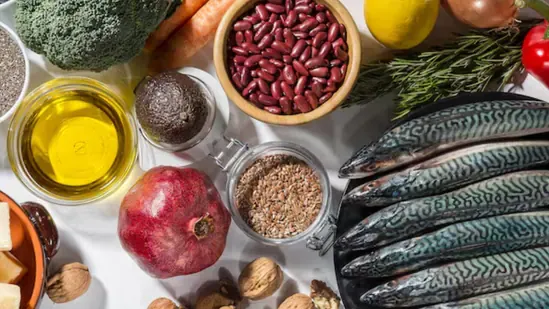
Animal-based foods provide zinc in a form that is easily absorbed by the body. Oysters are considered the richest natural source of zinc. Other excellent options include red meat, poultry, eggs, and fish.
For vegetarians and those who prefer plant-based diets, zinc can be obtained from pumpkin seeds, sesame seeds, chickpeas, lentils, kidney beans, cashews, almonds, tofu, whole grains, dairy products, mushrooms, and spinach. Seeds and legumes are especially beneficial and can be easily added to daily meals such as salads, curries, and snacks.
Ways to Improve Zinc Absorption Naturally
Zinc absorption can be enhanced by pairing plant-based zinc sources with vitamin C–rich foods like citrus fruits and tomatoes. Soaking, sprouting, or fermenting grains and legumes helps reduce phytates, compounds that interfere with zinc absorption. Including adequate protein in meals also supports better absorption. It is advised to avoid consuming zinc supplements at the same time as high-dose iron or calcium supplements, as they compete for absorption in the body.
Recommended Daily Zinc Intake
Daily zinc requirements vary based on age and life stage. Adult men typically need around 11 mg per day, while adult women require approximately 8 mg daily. Pregnant and breastfeeding women may need slightly higher amounts due to increased nutritional demands for growth and development.
However, excessive zinc intake can be harmful. According to medical sources, too much zinc may cause nausea, vomiting, abdominal cramps, and diarrhea within hours. Long-term overconsumption can also lead to copper deficiency, iron imbalance, anemia, and weakened immunity.
Who Should Be Careful With Zinc Supplements
People with kidney or liver conditions, those already taking multivitamins, individuals on specific medications, and pregnant or breastfeeding women should consult a healthcare professional before using zinc supplements. Long-term high-dose zinc supplementation without medical supervision may lead to adverse health effects.