


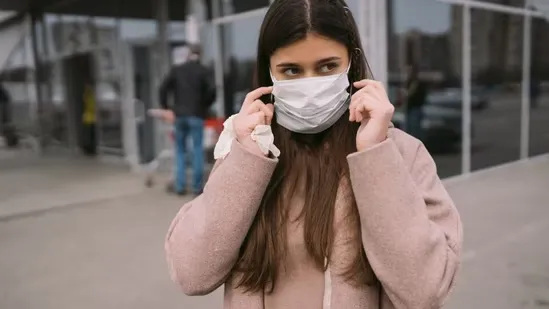
As winter approaches, air pollution across India surges to alarming levels, leading many to seek protection through masks and air purifiers. Pulmonologist Dr Sonia Goel, with over five years of experience, recently explained that not all masks provide the same level of protection against pollution — and choosing the right one can make a major difference to your health.
Dr Goel shared that N95 and KN95 masks are the most effective choices when it comes to filtering harmful air particles. These masks can block up to 95 percent of fine particulate matter (PM2.5) — the tiny, toxic pollutants responsible for respiratory illnesses, lung damage, and other chronic conditions. However, she stressed that these masks only work well if worn snugly with no gaps, ensuring a proper seal around the nose and mouth.
She warned that surgical and cloth masks may give a false sense of safety. While they can block larger dust particles, they do not effectively filter smaller pollutants like smoke and PM2.5. This makes them inadequate during high-pollution days when the AQI (Air Quality Index) spikes.
Dr Goel also highlighted the importance of replacing masks regularly, especially if you live in or commute through areas with heavy traffic or smog. “Masks lose effectiveness when they get damp, dirty, or after prolonged use,” she said.
The pulmonologist advised complementing mask usage with indoor air purifiers, avoiding outdoor activities during peak traffic hours, and adding air-purifying plants at home or in offices. For vulnerable groups like children, the elderly, and people with asthma or chronic lung conditions, she emphasized the need for extra precautions and limited outdoor exposure.
Her key takeaway: “Masks help, but they are not a complete solution. Protecting your lungs requires a holistic approach — combining mask use with lifestyle adjustments, cleaner indoor air, and awareness of pollution levels.”
Disclaimer: This article is for informational purposes only and should not replace professional medical advice. Always consult your doctor regarding respiratory or health concerns.