


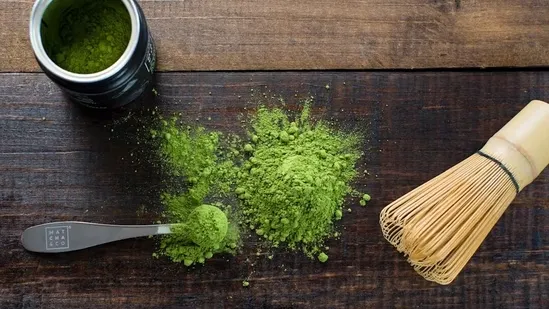
Matcha has become one of the most trending drinks worldwide, often celebrated as a healthier and smoother alternative to traditional coffee. But is it really true that matcha contains more caffeine than coffee? A medical expert recently revealed the real comparison between the two and explained how matcha affects your body, its potential benefits, and the risks you should be aware of before making it your daily drink.
According to Dr Kunal Sood, an anesthesiologist and pain medicine specialist, matcha is not just another green tea but a finely ground powdered form of specially grown tea leaves, known for its rich antioxidants, amino acids, and vitamins. Speaking about its benefits, he shared that matcha enhances focus, supports heart health, and offers a steady and calm energy boost without the sudden crash that many experience with coffee.
What Makes Matcha Unique?
Dr Sood explained that the L-theanine compound in matcha works synergistically with caffeine to provide sustained alertness and relaxation, unlike coffee, which gives a quick burst of energy followed by a drop. The unique balance of these natural compounds helps reduce anxiety and mental fatigue, making it ideal for long workdays or meditation.
Caffeine Comparison: Matcha vs Coffee
When it comes to caffeine levels, Dr Sood clarified that matcha actually contains more caffeine per gram than both green tea and coffee beans. However, the total caffeine you consume depends on how much matcha powder you use. A typical 2-ounce serving of matcha provides 38 to 88 milligrams of caffeine, while an 8-ounce cup of coffee averages around 96 milligrams. This means coffee still has more caffeine per serving, but matcha’s concentrated form can surpass it if consumed in higher amounts.
Health Benefits of Matcha
Matcha is loaded with catechins, especially EGCG (Epigallocatechin gallate), which are powerful antioxidants that help fight inflammation, boost metabolism, and support heart and brain health. Many people switch from coffee to matcha to avoid jitters, enjoy sustained focus, and improve gut health.
Possible Risks and Expert Advice
While matcha offers numerous wellness benefits, Dr Sood warns that it also contains tannins, which may interfere with iron absorption in the body. To reduce this effect, it’s best to avoid drinking matcha right after iron-rich meals and wait at least one hour before consuming it.
He also recommends limiting your intake to 1–2 cups a day and choosing high-quality ceremonial-grade matcha for the best health results.
Disclaimer: This content is for informational purposes only and should not replace professional medical consultation.