


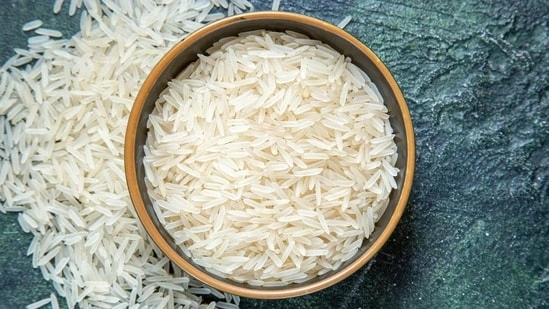
A UK-based nutrition expert has sparked discussion online after sharing insights into how the type and origin of rice you consume could impact your health. In a recent social media post, nutritionist Zib Atkins highlighted concerns about heavy metal exposure in rice, particularly focusing on arsenic contamination and how it varies depending on where the rice is grown.
Rice, a staple food for millions worldwide, is typically cultivated in water-flooded fields. According to Atkins, this growing method allows the crop to absorb arsenic from the soil more efficiently than other grains. Arsenic is known to be a toxic substance linked to serious health risks, including long-term effects on the brain and an increased risk of certain diseases.
One of the key takeaways from his advice is to be mindful of the geographical source of rice. He pointed out that some regions may have higher arsenic levels due to historical agricultural practices. In particular, he advised caution when selecting rice grown in certain areas where soil contamination has been reported to be higher.
Instead, he recommends choosing long-grain aromatic varieties such as basmati and jasmine rice. These types are generally sourced from regions like South Asia and Southeast Asia and are often considered to have comparatively lower arsenic levels. Opting for organic versions may further reduce exposure to pesticides used during cultivation.
The discussion also touched on brown rice, which is often promoted as a healthier alternative due to its higher fibre content. However, Atkins explained that the outer layer of the grain, which contains most of the fibre, is also where arsenic tends to accumulate. As a result, the nutritional advantages of brown rice may come with certain drawbacks when it comes to contamination.
For those who regularly consume rice, preparation methods can play an important role in reducing potential risks. He suggests soaking and rinsing rice thoroughly before cooking to remove surface impurities. Additionally, using excess water during cooking—similar to how pasta is prepared—and draining it afterward may help lower arsenic levels in the final dish.
Beyond rice, the expert emphasized the importance of maintaining a varied diet. Including alternative carbohydrate sources such as quinoa, oats, and potatoes can help minimize prolonged exposure to any single contaminant and support overall nutritional balance.
While these insights are gaining attention online, it is important to note that such advice should be considered as general guidance rather than a substitute for professional medical or dietary consultation.